Abrasive materials. Classification, structure, properties and applications презентация
Содержание
- 2. Abrasive materials (Latin abrasio-scraping down)-fine high hardness substances used for surface
- 3. Abrasives are classified: Abrasives are classified: by appointment:
- 4. On the form of the instrument (material): On the form
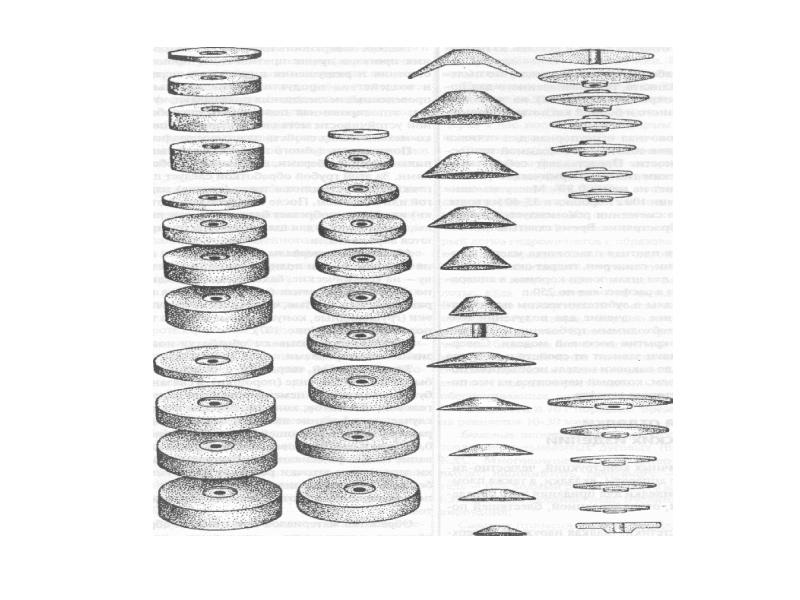
- 6. Abrasive cutting tools vary in shape, size, hardness, grit abrasive nature
- 7. Dental prostheses of various designs, Maxillofacial and orthodontic apparatus, tabs, as
- 8. The smooth surface of the plastic or combined dentures better resists
- 9. The surface of the denture process first files, scrapers, carbon.
- 10. Grinding is called surface handling abrasive materials. Grain hardness with
- 11. Processing of materials using Abrasives is characterized by the participation in
- 12. An important property of the abrasive tool is its ability to
- 13. Scheme of cutting action of grain abrasive tool.
- 14. Abrasives for sanding are divided into natural and artificial To include
- 15. As a finishing material objects used for grinding, must meet certain
- 16. Diamond is the hardest mineral is a crystalline form of carbon.
- 17. Corundum prepares also artificially from the mineral bauxite, which does not
- 18. Emery — grinding material distributed in nature in the form of
- 19. Carborundum — get artificially, for which a mixture consisting of Coke,
- 20. Pumice is a rock formed when volcanic eruptions, has porous structure.
- 21. The materials also include grinding machines quartz, glass and porcelain For
- 22. Ceramic binders are based on application of a mixture of clay
- 23. Bakelite adhesive materials are prepared on the basis of bakelite, less
- 24. Vulkanite s.v. are based on application of a mixture of rubber
- 25. Some grinding material (pumice stone, Emery) are applied in the form
- 26. Polishing tools. Polishing is the technical processing of the product (material)
- 27. Polishing to abrasion, used in dental practice, include the Fe2Oz iron
- 28. Polishing process is similar to the process for grinding, but are
- 29. Introduction denture individual casting using refractory alloys (stainless steels, KHS) has
- 30. they must not contain substances that react with the casting, the
- 31. In modern foundries use plaster molding materials, as well as phosphate
- 32. Phosphate molding materials consist of powder (zink phosphate cement, quartz powder,,
- 33. Siolite The moulding sand is designed for fixed (including metal) prosthesis.
- 34. Silicate molding materials is almost universally superseded phosphate materials. They have
- 35. Silicate forming masses differ large coefficient of thermal expansion. To ensure
- 36. Silamin applied when casting refractory models for manufacturing solid arc (CLASP)
- 37. Кристосил-2 — формовочная масса для отливки цельнолитых конструкций зубных протезов из
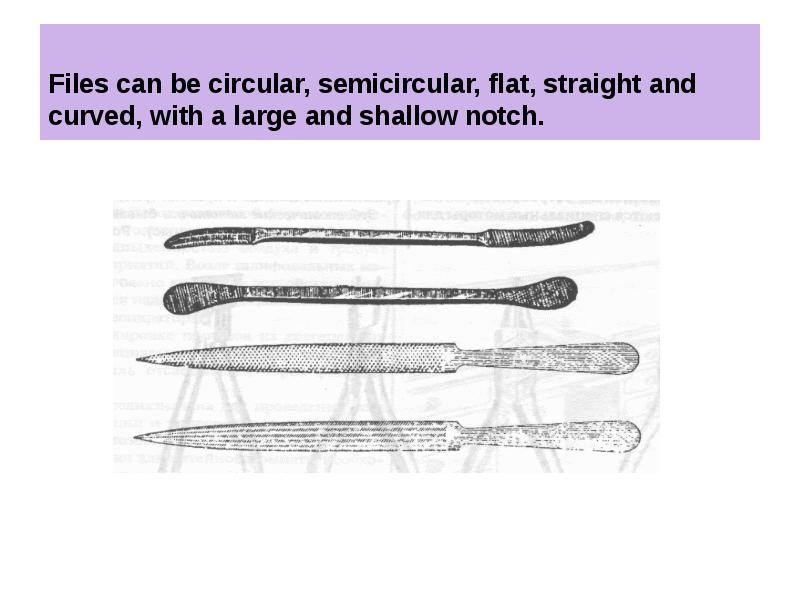
- 38. Files can be circular, semicircular, flat, straight and curved, with a
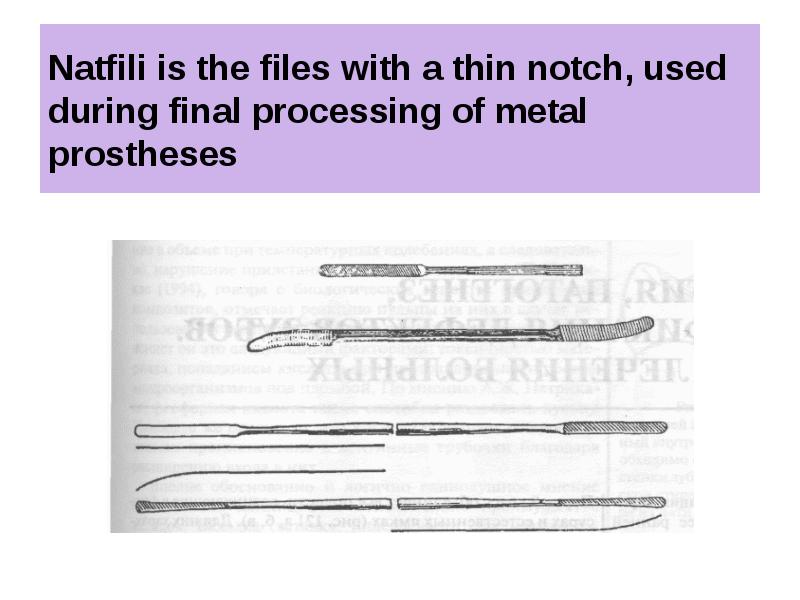
- 39. Natfili is the files with a thin notch, used during final
- 40. Скачать презентацию

Слайды и текст этой презентации
Слайд 1
Описание слайда:
Abrasive materials. Classification, structure, properties and applications.
Слайд 2
Описание слайда:
Abrasive materials (Latin abrasio-scraping down)-fine high hardness substances used for surface treatment of metals and polymers, wood, stone
Abrasive materials (Latin abrasio-scraping down)-fine high hardness substances used for surface treatment of metals and polymers, wood, stone
In a processed form of abrasive materials are used for stripping, stripping metal grinding, grinding, grinding, surface finishing the prosthesis.
They are solid crystalline or powdered minerals.
Слайд 3
Описание слайда:
Abrasives are classified:
Abrasives are classified:
by appointment:
grinding;
polishing.
On the nature of the binder:
ceramic;
bakelite;
vulkanitovye;
Paste.
Слайд 4
Описание слайда:
On the form of the instrument (material):
On the form of the instrument (material):
circles of various sizes (Belleville, Cup, shaped head, pear-shaped, coned),
Emery cloth and paper.
Origin: natural; artificial.
Слайд 5
Описание слайда:
Слайд 6
Описание слайда:
Abrasive cutting tools vary in shape, size, hardness, grit abrasive nature of the binder.
Abrasive cutting tools vary in shape, size, hardness, grit abrasive nature of the binder.
Abrasive properties:
hardness and strength;
form of abrasive particles or grains;
abrasive capacity;
the graininess.
Слайд 7
Описание слайда:
Dental prostheses of various designs, Maxillofacial and orthodontic apparatus, tabs, as well as seals require meticulous finishing to give them in certain areas of smooth, polished, shiny surface.
forming plaque and solid deposits that form on the insufficiently polished places contribute irritate mucous membranes and are etiological factors of occurrence of some diseases of the oral cavity (stomatitis, gingivitis, dekubitale ulcers, etc.). Insufficiently polished surface, removable dentures, is a hotbed of formation of halitosis.
Слайд 8
Описание слайда:
The smooth surface of the plastic or combined dentures better resists swelling processes, aging and destruction as a result of the temperature difference and effects of waste products
The smooth surface of the plastic or combined dentures better resists swelling processes, aging and destruction as a result of the temperature difference and effects of waste products
Слайд 9
Описание слайда:
The surface of the denture process first files, scrapers, carbon.
The surface of the denture process first files, scrapers, carbon.
For this rough processing should be grinding, i.e. smoothing the remaining tracks (trace) emery paper or cloth.
After final finish (buffing) acquires a shiny surface. Materials used for grinding and polishing are referred to as abrasive.
Слайд 10
Описание слайда:
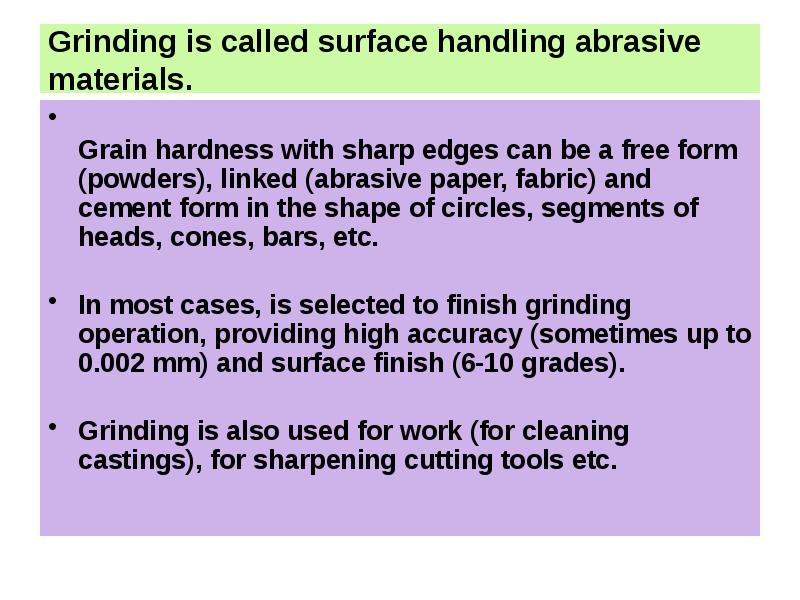
Grinding is called surface handling abrasive materials.
Grain hardness with sharp edges can be a free form (powders), linked (abrasive paper, fabric) and cement form in the shape of circles, segments of heads, cones, bars, etc.
In most cases, is selected to finish grinding operation, providing high accuracy (sometimes up to 0.002 mm) and surface finish (6-10 grades).
Grinding is also used for work (for cleaning castings), for sharpening cutting tools etc.
Слайд 11
Описание слайда:
Processing of materials using Abrasives is characterized by the participation in the process of cutting at the same time a very large number of random cutting abrasive grains faces. Despite the fact that the shape of the little incisors "— abrasive grains is flawed, abrasive treatment of highly productive, because high hardness grains allows the use of large cutting speeds, that in combination with a large number of concurrent "cutters", removing thin shavings, gives a large amount of footage
Processing of materials using Abrasives is characterized by the participation in the process of cutting at the same time a very large number of random cutting abrasive grains faces. Despite the fact that the shape of the little incisors "— abrasive grains is flawed, abrasive treatment of highly productive, because high hardness grains allows the use of large cutting speeds, that in combination with a large number of concurrent "cutters", removing thin shavings, gives a large amount of footage
Слайд 12
Описание слайда:
An important property of the abrasive tool is its ability to partial or complete
An important property of the abrasive tool is its ability to partial or complete
Restoring the cutting capacity is due to the fact that when abrasive grains is blunt increasing cutting force and grains are destroyed exposing the other below
Слайд 13
Описание слайда:
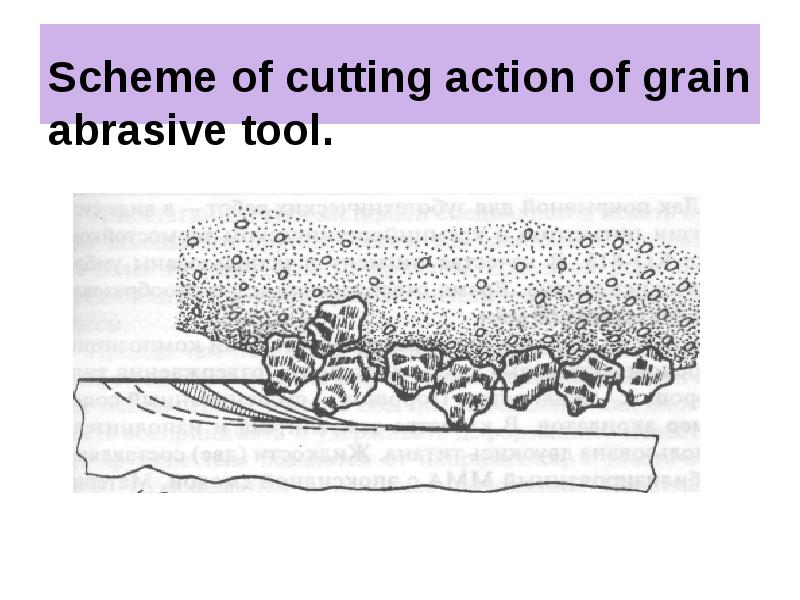
Scheme of cutting action of grain abrasive tool.
Слайд 14
Описание слайда:
Abrasives for sanding are divided into natural and artificial
To include the diamond, corundum, Emery, quartz, "minutnik", pumice, etc. artificial abrasives-coated, carborundum (silicon carbide), boron carbide, tungsten carbide
Слайд 15
Описание слайда:
As a finishing material objects used for grinding, must meet certain requirements of the determine:
the hardness of the materials used must not be
hardness below which has been polished material;
grinding tools "salted", if it hardness too great to handle this material, or premature wear, if this hardness is low;
the shape of the abrasive grains must be multi-faceted to
provide cutting edge; materials must be manufacturable in use;
possess the ability to stick together (seal)
and well maintained in binders.
Слайд 16
Описание слайда:
Diamond is the hardest mineral is a crystalline form of carbon.
Diamond is the hardest mineral is a crystalline form of carbon.
In the form of dust stuck on metal wheels and circles, it is used for preparation of the teeth before covering their crowns.
Corundum ranks second in hardness, it is a crystalline form of aluminium oxide (AlOz).
Слайд 17
Описание слайда:
Corundum prepares also artificially from the mineral bauxite, which does not contain alumina in crystalline and amorphous.
Corundum prepares also artificially from the mineral bauxite, which does not contain alumina in crystalline and amorphous.
To obtain a crystalline alumina (corundum) smelting of bauxite is mixed with Coke. Hardness artificial corundum with increased content of aluminum oxide increases.
Especially solid highest grade corundum applied for grinding high hardness steels.
Слайд 18
Описание слайда:
Emery — grinding material distributed in nature in the form of rock. It is composed of alumina, compound iron oxide and other materials. Hardness hardness close to Emery corundum. Emery powder used for grinding and manufacturing on a grinding cloth and sandpaper. Grinding quality depend on the percentage of corundum. Abrasive paper and discs used for sanding and sealing
Emery — grinding material distributed in nature in the form of rock. It is composed of alumina, compound iron oxide and other materials. Hardness hardness close to Emery corundum. Emery powder used for grinding and manufacturing on a grinding cloth and sandpaper. Grinding quality depend on the percentage of corundum. Abrasive paper and discs used for sanding and sealing
Слайд 19
Описание слайда:
Carborundum — get artificially, for which a mixture consisting of Coke, pure quartz sand, sawdust and salt, smelted in electric furnace. It consists of silicon carbide crystals.
Carborundum — get artificially, for which a mixture consisting of Coke, pure quartz sand, sawdust and salt, smelted in electric furnace. It consists of silicon carbide crystals.
Silicone carbide grains differ by the exigencies of their faces and high hardness. A significant disadvantage is its large silicone fragility. Its grain is easy to break under load. Silicon carbide is used mainly in the form of grinding wheels and disks.
Слайд 20
Описание слайда:
Pumice is a rock formed when volcanic eruptions, has porous structure. Edge was sharp. Pumice color depending on the content of iron oxides can be different: from a white and blue to yellow, red and even black.
Pumice is a rock formed when volcanic eruptions, has porous structure. Edge was sharp. Pumice color depending on the content of iron oxides can be different: from a white and blue to yellow, red and even black.
Слайд 21
Описание слайда:
The materials also include grinding machines quartz, glass and porcelain
For manufacturing of abrasives are applied adhesives. Appointment of them boils down to bond (cementing) abrasive grains after their crushing and sifting through a sieve with a certain number of holes. Binders are divided into ceramic.
Слайд 22
Описание слайда:
Ceramic binders are based on application of a mixture of clay with feldspar, talc and other substances, such as quartz
This ligament is fire safe and possesses high mechanical strength. Used for the manufacture of various types of grinding wheels. Flawed products on this basis are the fragility and sensitivity to shock, so articles on ceramic Binder material used in installations with low turnover. The advantages of such bundles are moisture resistance and uniform hardness.
Слайд 23
Описание слайда:
Bakelite adhesive materials are prepared on the basis of bakelite, less rubber and different adhesive compositions
Circles or other forms of abrasives on this basis different elasticity, resistance to impact, smooth surface. This kind of cords used for the manufacture of an Emery paper or glass on a grinding cloth
Слайд 24
Описание слайда:
Vulkanite s.v. are based on application of a mixture of rubber with sulfur, which after the introduction of abrasive powder is exposed to vulcanization
These bundles have greater elasticity and density than bakelite, but differ elasticity. Crop circles vulcanite bundle are indispensable when sanding, when of the circle requires not only grinding but also polishing effect. Polishing effect of these circles is due to the fluctuation of the ligament at a temperature in the working area of about 150° c and extruding abrasive grains in this wobbly bundle.
Слайд 25
Описание слайда:
Some grinding material (pumice stone, Emery) are applied in the form of aqueous slurry, which is applied to the work surface using brushes, felt circles (cones) and other devices.
Some grinding material (pumice stone, Emery) are applied in the form of aqueous slurry, which is applied to the work surface using brushes, felt circles (cones) and other devices.
Слайд 26
Описание слайда:
Polishing tools. Polishing is the
technical processing of the product (material) with the purpose to create a smooth mirror-like surface. Polishing provided for removing the minimum layer of material, which are covered by special polishing tools with the polishing pastes. In these toothpastes include abrasives and adhesives. The process of polishing is preceded by careful polishing.
Слайд 27
Описание слайда:
Polishing to abrasion, used in dental practice, include the Fe2Oz iron oxide, chromium oxide Cr2o3, as well as gypsum and chalk SaSOz. Iron oxide (crocus) produced by the impact of oxalic acid in concentrated solution iron copperas. Iron oxide powder is a brownish-red color.
Polishing to abrasion, used in dental practice, include the Fe2Oz iron oxide, chromium oxide Cr2o3, as well as gypsum and chalk SaSOz. Iron oxide (crocus) produced by the impact of oxalic acid in concentrated solution iron copperas. Iron oxide powder is a brownish-red color.
Слайд 28
Описание слайда:
Polishing process is similar to the process for grinding, but are felt, fabric, leather community (cones), hair brushes fixed to the electromashine
Polishing process is similar to the process for grinding, but are felt, fabric, leather community (cones), hair brushes fixed to the electromashine
Слайд 29
Описание слайда:
Introduction denture individual casting using refractory alloys (stainless steels, KHS) has resulted in the need to create a special composition of molding materials, requirements can be formulated as follows:
Introduction denture individual casting using refractory alloys (stainless steels, KHS) has resulted in the need to create a special composition of molding materials, requirements can be formulated as follows:
Слайд 30
Описание слайда:
they must not contain substances that react with the casting, the lower its quality;
they must not contain substances that react with the casting, the lower its quality;
the form surface should not to the casting; to ensure the quality of the casting surface fire retardant powder must have a high degree of dispersion;
solidification time must be within 7-10 minutes;
they should create a wrapper
to be able to absorb the gases produced by pouring molten metal;
they must have a value of coefficient of thermal expansion, sufficient to compensate for the shrinkage of metal solidifying.
Слайд 31
Описание слайда:
In modern foundries use plaster molding materials, as well as phosphate and silicate.
Plaster moulding material consists of gypsum (20-40%) and Silicon oxide. Plaster in this case is binding. Silicon monoxide attaches weight necessary amount of shrinkage strain and heat resistant. As regulators of solidification velocity and coefficient of thermal expansion in a mixture is added 2-3% sodium chloride or boric acid. Is kneaded mass on the water at temperature 18-20° c. Nominal temperature of heating form similar to pouring metal is 700-750° c.
Слайд 32
Описание слайда:
Phosphate molding materials consist of powder (zink phosphate cement, quartz powder,, magnesium oxide, aluminum hydroxide, etc.) and liquid (phosphoric acid, magnesium oxide, water, aluminum hydroxide).
Phosphate molding materials consist of powder (zink phosphate cement, quartz powder,, magnesium oxide, aluminum hydroxide, etc.) and liquid (phosphoric acid, magnesium oxide, water, aluminum hydroxide).
These molding materials offset shrinkage during cooling of stainless steels that have temperature cubic dilation coefficient about 0.027 to-1. Shrinkage gold alloys is about 1.25%, and this compensates for shrinkage of gypsum form. Phosphate forms depending on the composition of 10-15 mines continues.
Слайд 33
Описание слайда:
Siolite
The moulding sand is designed for fixed (including metal) prosthesis. Consists of powder and liquid. Powder is a mixture of quartz sand, phosphates and periklazy. Liquid is silica sole. Mass is characterized by high strength properties and compensation.
Слайд 34
Описание слайда:
Silicate molding materials is almost universally superseded phosphate materials. They have high heat resistance and durability. Their introduction caused by the use of CCC and stainless steels. In addition to gypsum and phosphate binders as it uses Silicon gels.
Silicate molding materials is almost universally superseded phosphate materials. They have high heat resistance and durability. Their introduction caused by the use of CCC and stainless steels. In addition to gypsum and phosphate binders as it uses Silicon gels.
Слайд 35
Описание слайда:
Silicate forming masses differ large coefficient of thermal expansion. To ensure the accuracy of the castings must comply with a proper balance between the powder and the liquid (astringent solution). Optimal ratio, providing compensation shrinkage is form 30, fluid and 70 g of powder. Setting time material is equal to 10-30 min.
Silicate forming masses differ large coefficient of thermal expansion. To ensure the accuracy of the castings must comply with a proper balance between the powder and the liquid (astringent solution). Optimal ratio, providing compensation shrinkage is form 30, fluid and 70 g of powder. Setting time material is equal to 10-30 min.
Слайд 36
Описание слайда:
Silamin applied when casting refractory models for manufacturing solid arc (CLASP) KHS alloy prostheses. Was a specific powder grain composition, consisting of silica with cementing the phosphate binder. When mixed with water mass seizes, forming a solid monolith.
Silamin applied when casting refractory models for manufacturing solid arc (CLASP) KHS alloy prostheses. Was a specific powder grain composition, consisting of silica with cementing the phosphate binder. When mixed with water mass seizes, forming a solid monolith.
Thermal expansion of the mass at a temperature of 500-700° c is not less than 0.6% -0.7. The beginning shvatyvanija mass stupalo through 10 minutes final hardening through 60 minutes. Ignition cracks formed.
Слайд 37
Описание слайда:
Кристосил-2 — формовочная масса для отливки цельнолитых конструкций зубных протезов из КХС. Представлял собой порошок белого цвета определенной зернистости и состава (кристоболит, окись магния, аммония фосфат), который при замешивании с водой образовывал формовочную массу, твердеющую на воздухе. Термическое расширение массы при температуре 300-700°С — не менее 0,8%. Применялась совместно с массой для дублирования, представляющей собой обратимую коллоидную систему, состоящую из этиленгликоля, агара и воды.
Кристосил-2 — формовочная масса для отливки цельнолитых конструкций зубных протезов из КХС. Представлял собой порошок белого цвета определенной зернистости и состава (кристоболит, окись магния, аммония фосфат), который при замешивании с водой образовывал формовочную массу, твердеющую на воздухе. Термическое расширение массы при температуре 300-700°С — не менее 0,8%. Применялась совместно с массой для дублирования, представляющей собой обратимую коллоидную систему, состоящую из этиленгликоля, агара и воды.
Слайд 38
Описание слайда:
Files can be circular, semicircular, flat, straight and curved, with a large and shallow notch.
Слайд 39
Описание слайда:
Natfili is the files with a thin notch, used during final processing of metal prostheses
Скачать презентацию на тему Abrasive materials. Classification, structure, properties and applications можно ниже: