Exploring How Routing Works презентация
Содержание
- 2. Outline Overview Routers Routers and the IP Packet Delivery Process Path
- 3. Routers
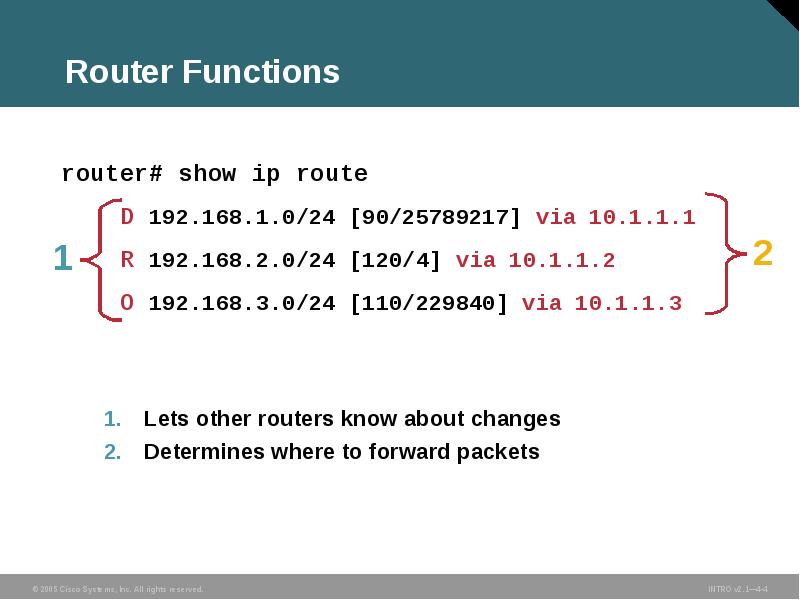
- 4. Router Functions
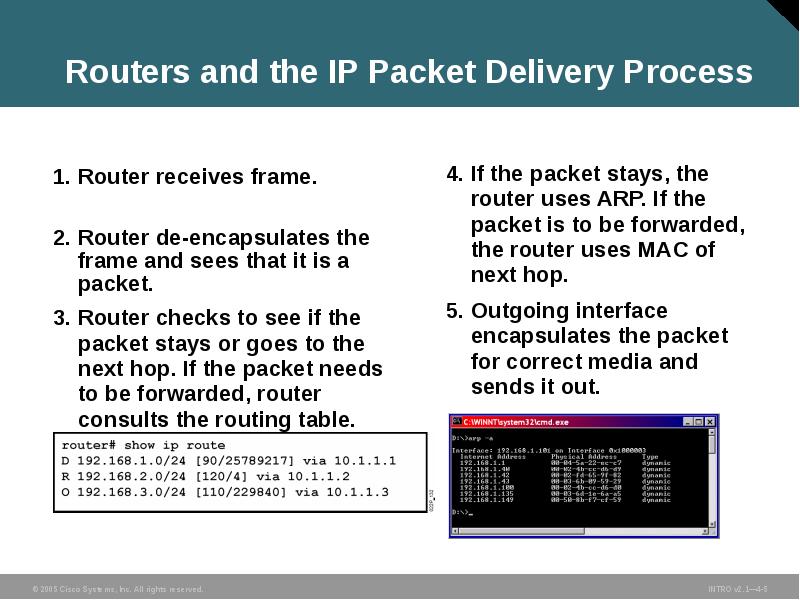
- 5. Routers and the IP Packet Delivery Process
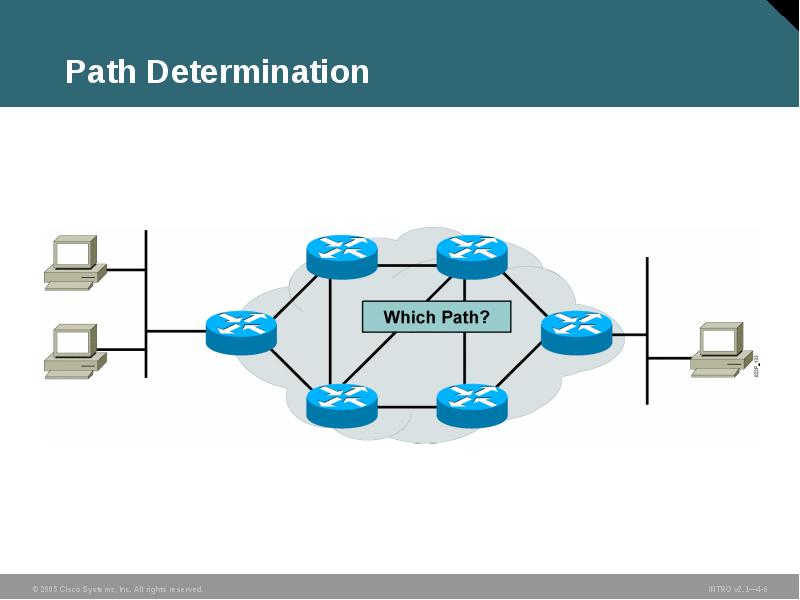
- 6. Path Determination
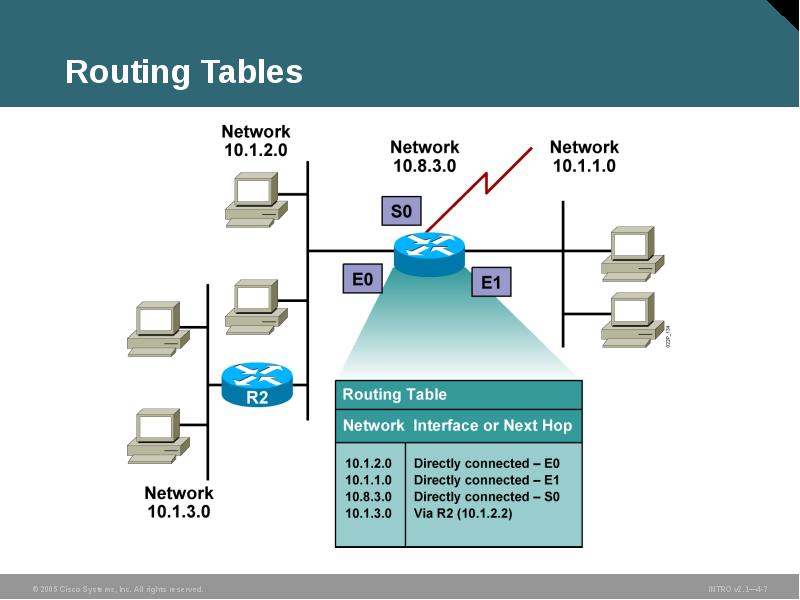
- 7. Routing Tables
- 8. Routing Table Entries Directly connected: Router attaches to this network Static
- 9. Routing Metrics
- 10. Distance Vector Routing Protocols
- 11. Link-State Routing Protocols
- 12. Summary Routers have certain components that are also found in computers
- 13. Summary (Cont.) Routers determine the optimal path for forwarding IP packets
- 14. Summary (Cont.) Distance vector routing protocols build and update routing tables
- 16. Скачать презентацию

Слайды и текст этой презентации
Слайд 1
Описание слайда:
Connecting Networks
Exploring How Routing Works
Слайд 2
Описание слайда:
Outline
Overview
Routers
Routers and the IP Packet Delivery Process
Path Determination
Routing Tables
Static, Dynamic, Directly Connected, and Default Routes
Dynamic Routing Protocols
Summary
Lab Exercise 4-1: Creating a Default Gateway
Слайд 3
Описание слайда:
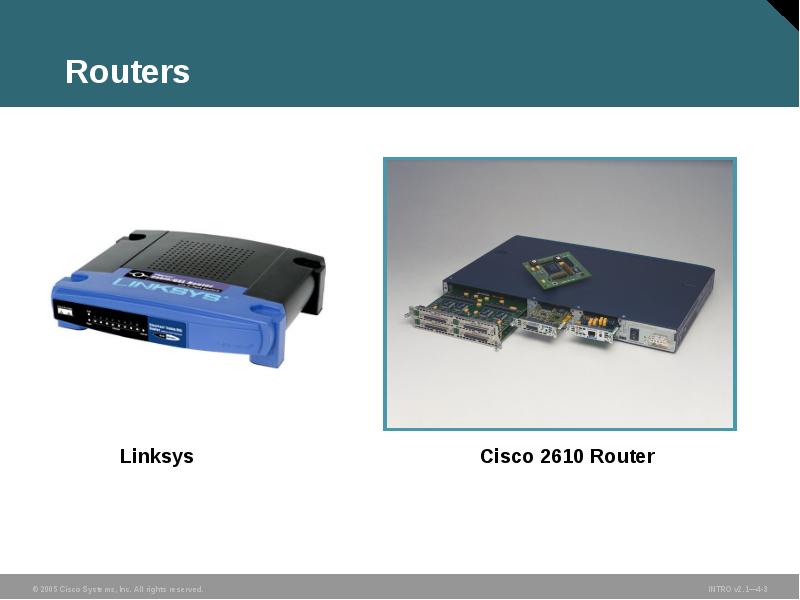
Routers
Слайд 4
Описание слайда:
Router Functions
Слайд 5
Описание слайда:
Routers and the IP Packet Delivery Process
Слайд 6
Описание слайда:
Path Determination
Слайд 7
Описание слайда:
Routing Tables
Слайд 8
Описание слайда:
Routing Table Entries
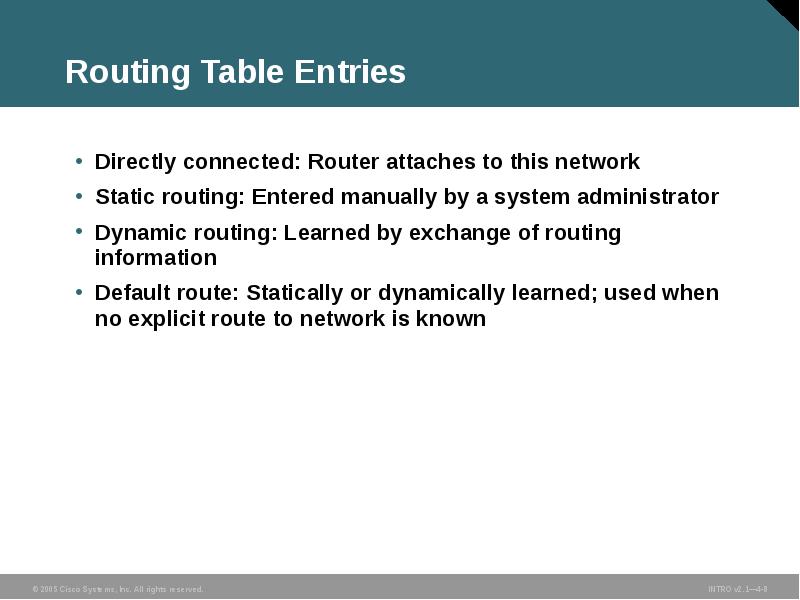
Directly connected: Router attaches to this network
Static routing: Entered manually by a system administrator
Dynamic routing: Learned by exchange of routing information
Default route: Statically or dynamically learned; used when no explicit route to network is known
Слайд 9
Описание слайда:
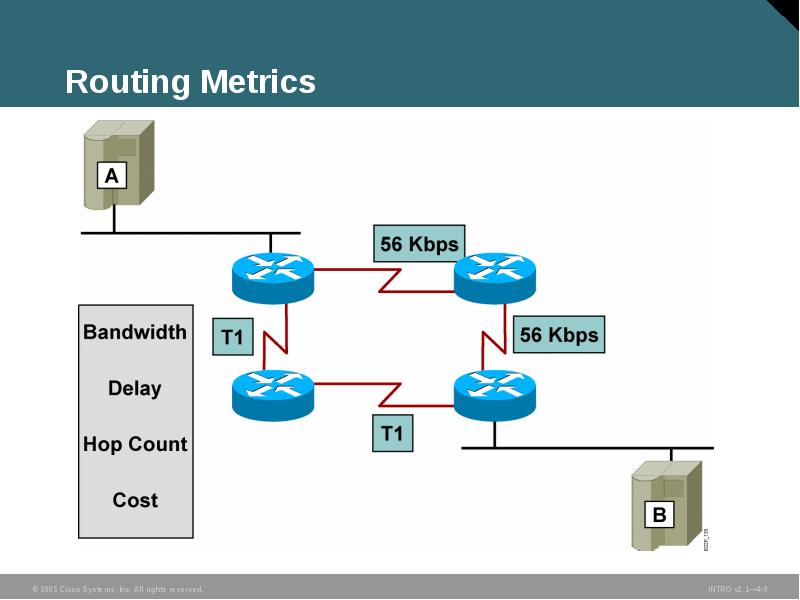
Routing Metrics
Слайд 10
Описание слайда:
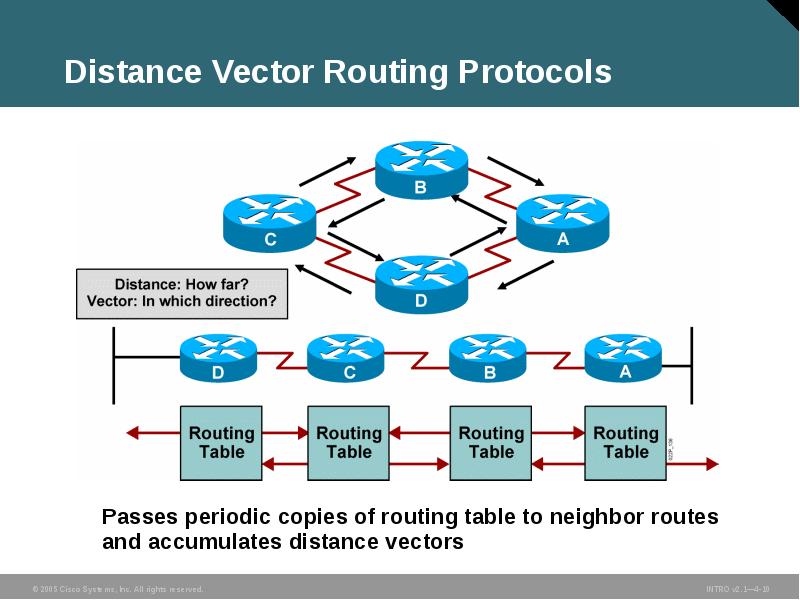
Distance Vector Routing Protocols
Слайд 11
Описание слайда:
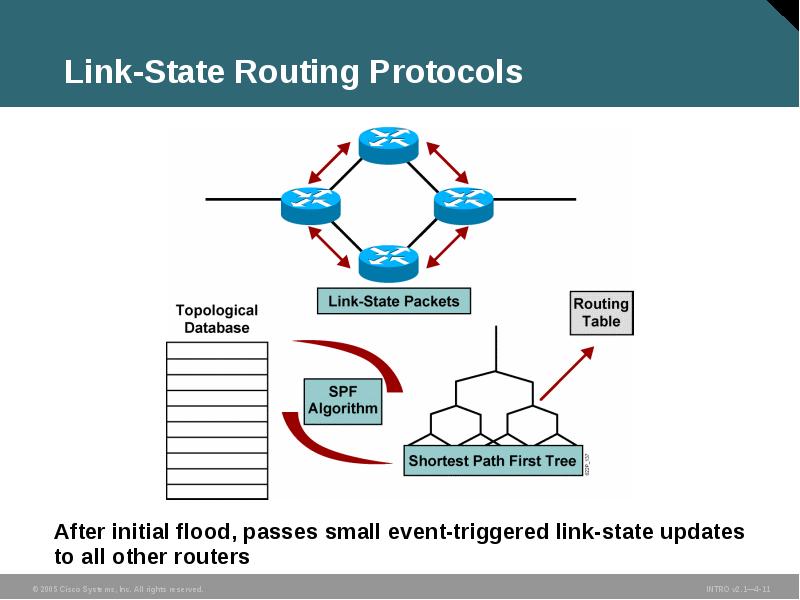
Link-State Routing Protocols
Слайд 12
Описание слайда:
Summary
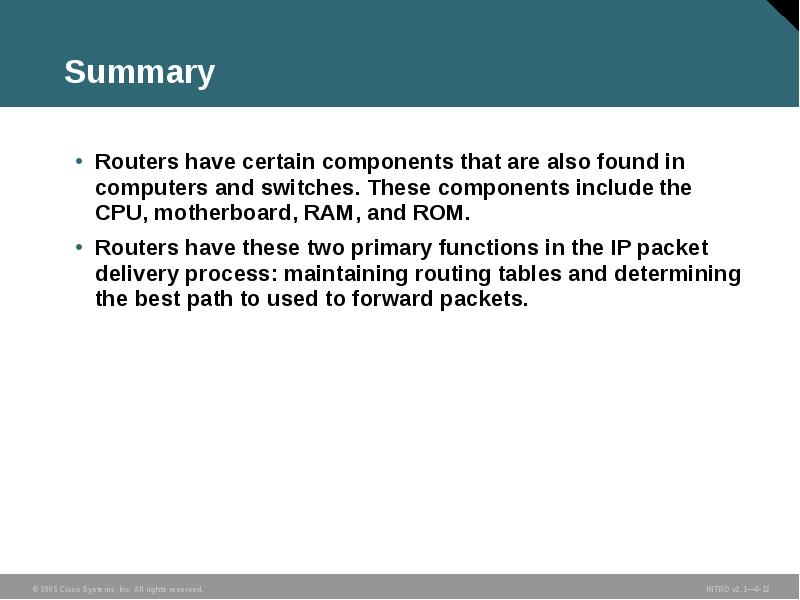
Routers have certain components that are also found in computers and switches. These components include the CPU, motherboard, RAM, and ROM.
Routers have these two primary functions in the IP packet delivery process: maintaining routing tables and determining the best path to used to forward packets.
Слайд 13
Описание слайда:
Summary (Cont.)
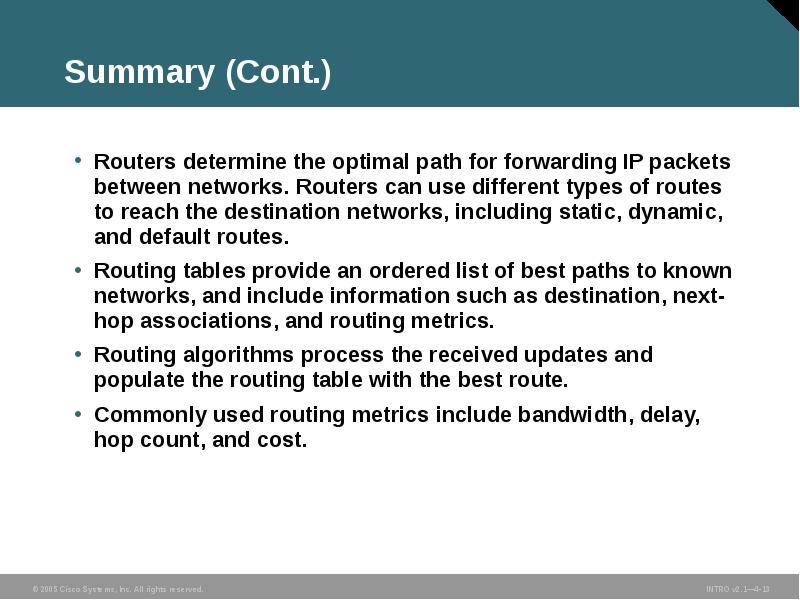
Routers determine the optimal path for forwarding IP packets between networks. Routers can use different types of routes to reach the destination networks, including static, dynamic, and default routes.
Routing tables provide an ordered list of best paths to known networks, and include information such as destination, next-hop associations, and routing metrics.
Routing algorithms process the received updates and populate the routing table with the best route.
Commonly used routing metrics include bandwidth, delay, hop count, and cost.
Слайд 14
Описание слайда:
Summary (Cont.)
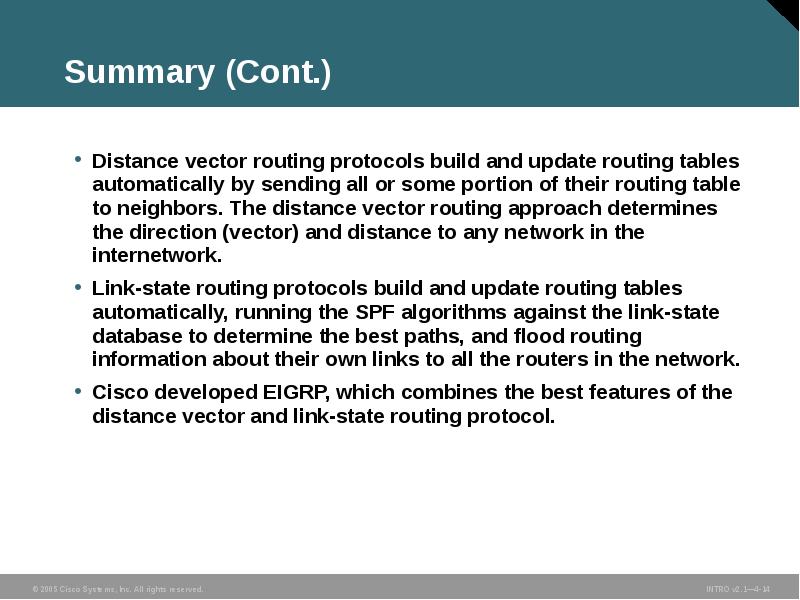
Distance vector routing protocols build and update routing tables automatically by sending all or some portion of their routing table to neighbors. The distance vector routing approach determines the direction (vector) and distance to any network in the internetwork.
Link-state routing protocols build and update routing tables automatically, running the SPF algorithms against the link-state database to determine the best paths, and flood routing information about their own links to all the routers in the network.
Cisco developed EIGRP, which combines the best features of the distance vector and link-state routing protocol.
Слайд 15
Описание слайда:
Скачать презентацию на тему Exploring How Routing Works можно ниже: