Types of Hearing Aids презентация
Содержание
- 2. Terminology
- 3. Hearing aid styles
- 4. Hearing Aid Effect
- 5. Hearing Aid Components
- 7. Batteries
- 8. Batteries Types Silver Oxide Mercury Zinc-Air Long shelf-life Disposable
- 9. Zinc-Air batteries Require air to work Battery compartment of hearing aid
- 10. Batteries Flat discharge rate
- 11. Batteries 2320 cases of battery ingestion 1983 – 1990 952
- 12. Batteries Zinc-Air batteries are relatively benign Of 418 cases of zinc-air
- 13. Batteries If anyone ingests a battery, this is what you should
- 14. Batteries Don't induce vomiting. Don't eat or drink until the x-ray
- 15. Microphones
- 16. Microphones Converts acoustic energy to an electrical signal Sound pressure waves
- 17. Types of Microphones Omnidirectional mic
- 18. Directionality with a single directional microphone
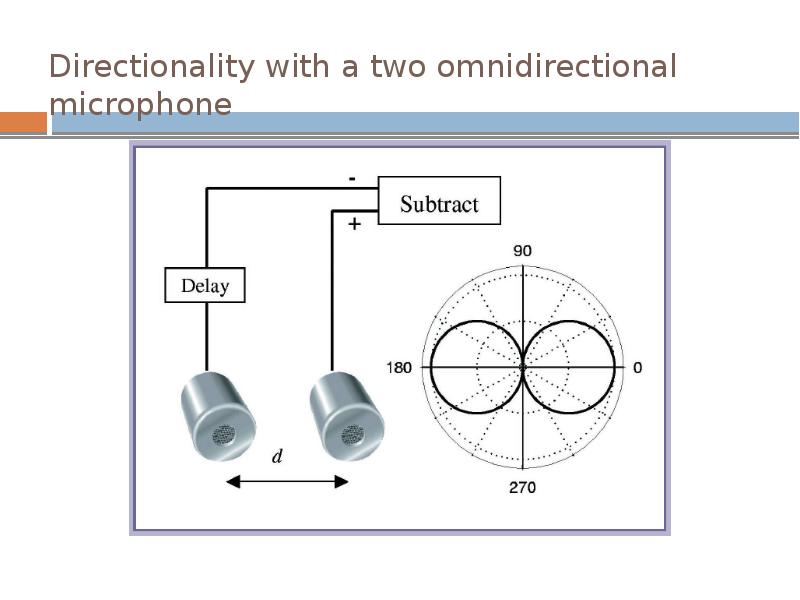
- 19. Directionality with a two omnidirectional microphone
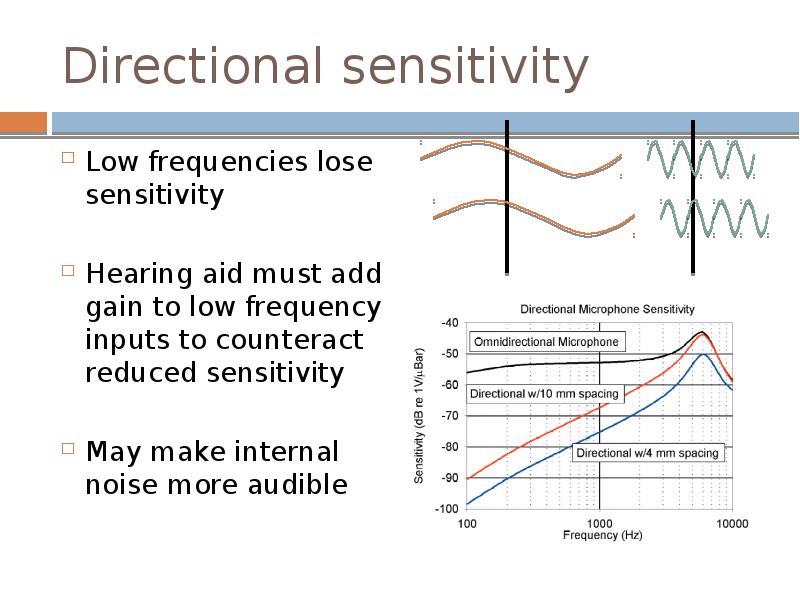
- 20. Directional sensitivity Low frequencies lose sensitivity Hearing aid must add gain
- 21. Broken microphone? Listening check No feedback, no sound? Check for debris
- 22. Receivers
- 23. Receivers
- 24. Signal Processors
- 25. Signal processor
- 26. Digital signal processor What is the stuff? Input assigned to channels
- 30. Other aids
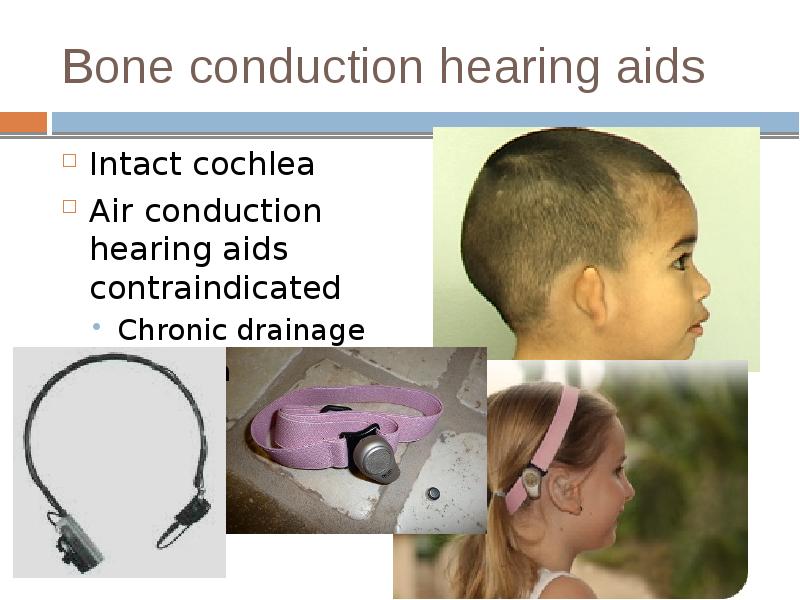
- 31. Bone conduction hearing aids Intact cochlea Air conduction hearing aids contraindicated
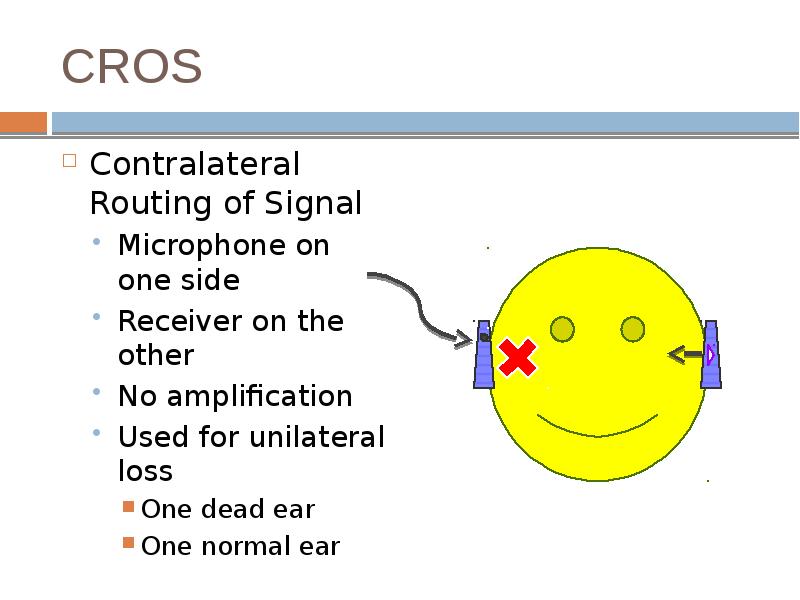
- 33. CROS Contralateral Routing of Signal Microphone on one side Receiver on
- 35. Скачать презентацию




Слайды и текст этой презентации
Слайд 1
Описание слайда:
Types of Hearing Aids
Слайд 2
Описание слайда:
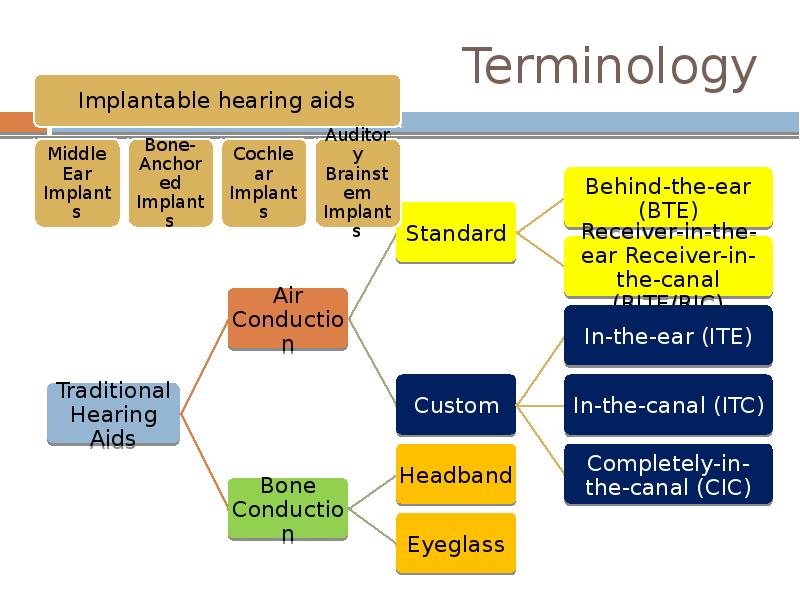
Terminology
Слайд 3
Описание слайда:
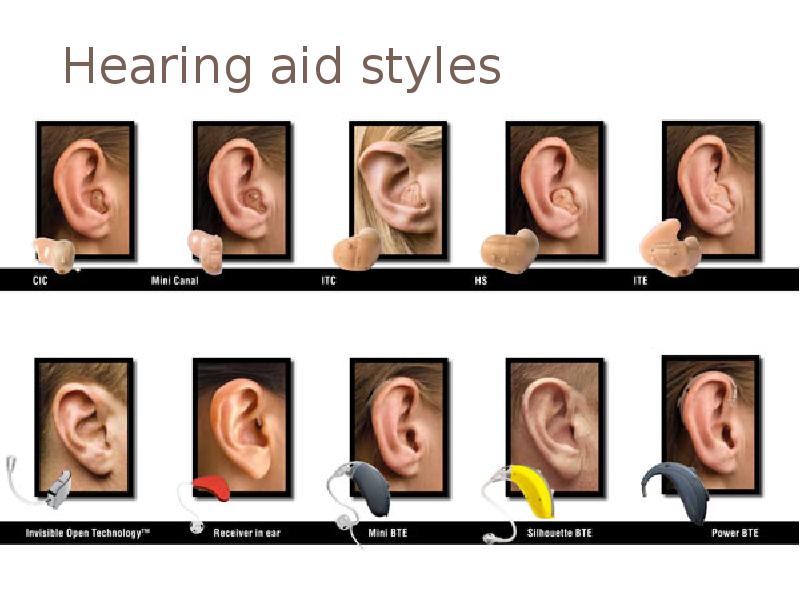
Hearing aid styles
Слайд 4
Описание слайда:
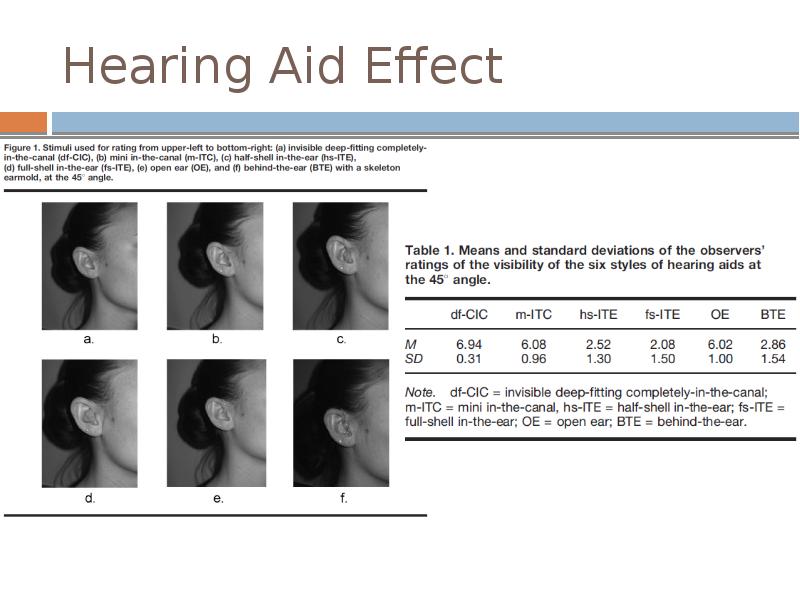
Hearing Aid Effect
Слайд 5
Описание слайда:
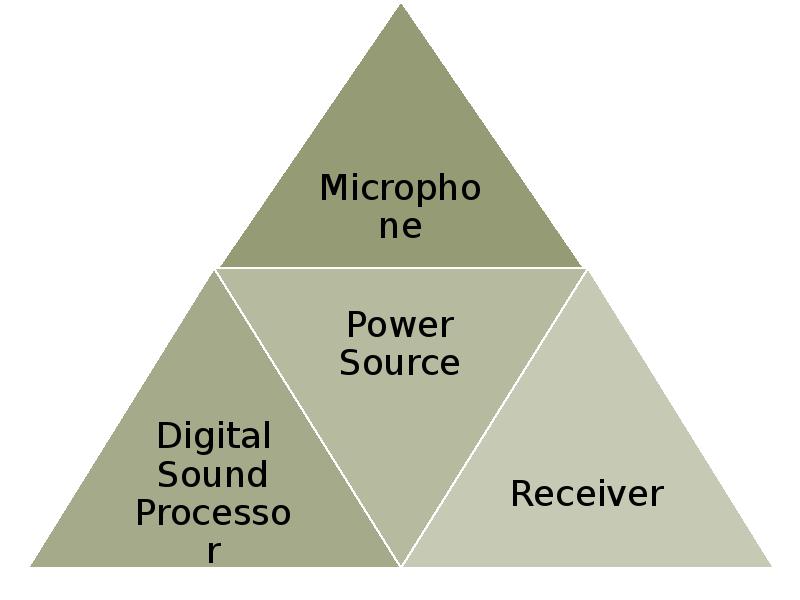
Hearing Aid Components
Слайд 6
Описание слайда:
Слайд 7
Описание слайда:
Batteries
Слайд 8
Описание слайда:
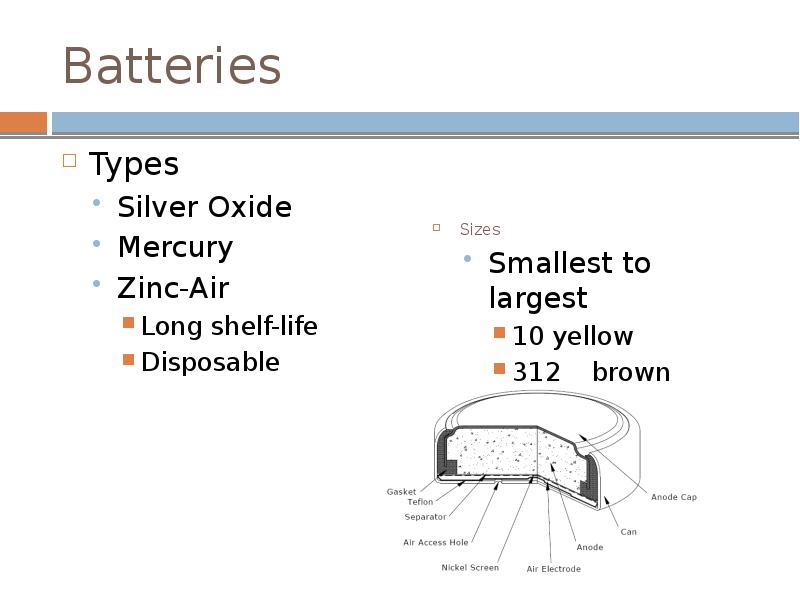
Batteries
Types
Silver Oxide
Mercury
Zinc-Air
Long shelf-life
Disposable
Слайд 9
Описание слайда:
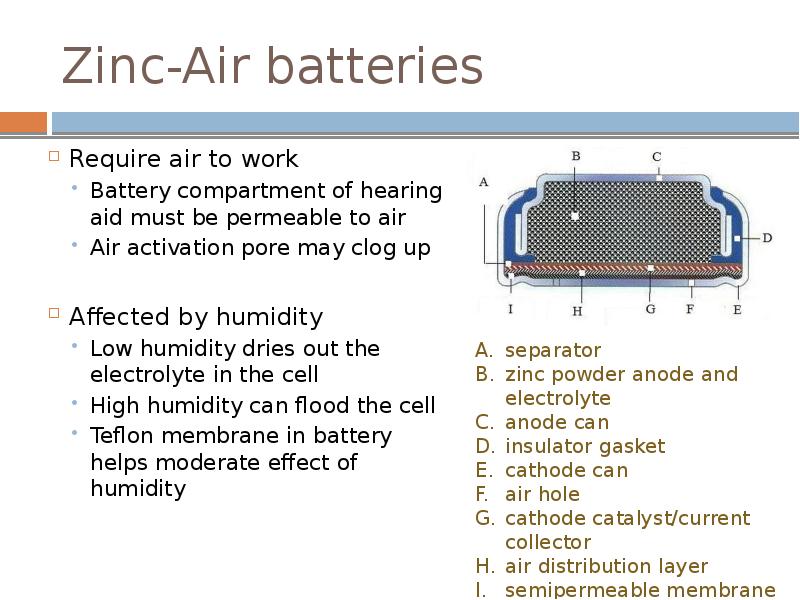
Zinc-Air batteries
Require air to work
Battery compartment of hearing aid must be permeable to air
Air activation pore may clog up
Affected by humidity
Low humidity dries out the electrolyte in the cell
High humidity can flood the cell
Teflon membrane in battery helps moderate effect of humidity
Слайд 10
Описание слайда:
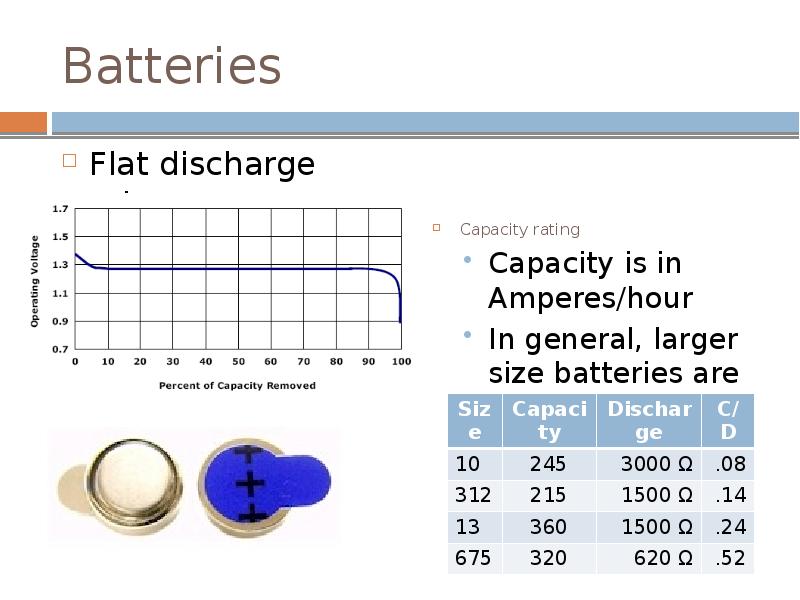
Batteries
Flat discharge rate
Слайд 11
Описание слайда:
Batteries
2320 cases of battery ingestion
1983 – 1990
952 were hearing aid batteries (45%)
Of those cases, 312 (33%) were batteries removed from the hearing aid by the child
Слайд 12
Описание слайда:
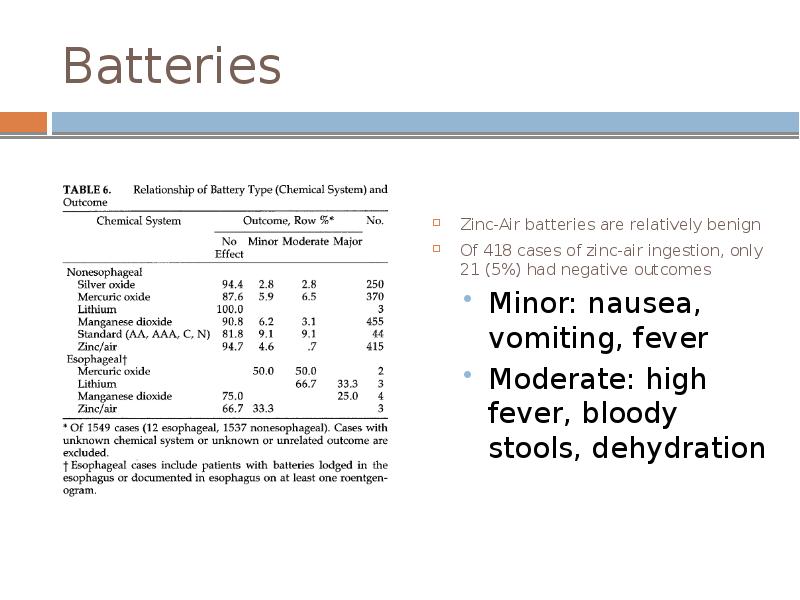
Batteries
Zinc-Air batteries are relatively benign
Of 418 cases of zinc-air ingestion, only 21 (5%) had negative outcomes
Minor: nausea, vomiting, fever
Moderate: high fever, bloody stools, dehydration
Слайд 13
Описание слайда:
Batteries
If anyone ingests a battery, this is what you should do:
Immediately call the 24-hour National Battery Ingestion Hotline at 202-625-3333 (call collect if necessary), or call your poison center at 1-800-222-1222.
If readily available, provide the battery identification number, found on the package or from a matching battery.
In most cases, an x-ray must be obtained right away to be sure that the battery has gone through the esophagus into the stomach. (If the battery remains in the esophagus, it must be removed immediately. Most batteries move on to the stomach and can be allowed to pass by themselves.) Based on the age of the patient and size of the battery, the National Battery Ingestion Hotline specialists can help you determine if an immediate x-ray is required.
Слайд 14
Описание слайда:
Batteries
Don't induce vomiting. Don't eat or drink until the x-ray shows the battery is beyond the esophagus.
Watch for fever, abdominal pain, vomiting, or blood in the stools. Report these symptoms immediately.
Check the stools until the battery has passed.
Your physician or the emergency room may call the National Button Battery Ingestion Hotline/National Capital Poison Center collect at 202-625-3333 for consultation about button batteries. Expert advice is available 24 hours a day, 7 days a week.
Слайд 15
Описание слайда:
Microphones
Слайд 16
Описание слайда:
Microphones
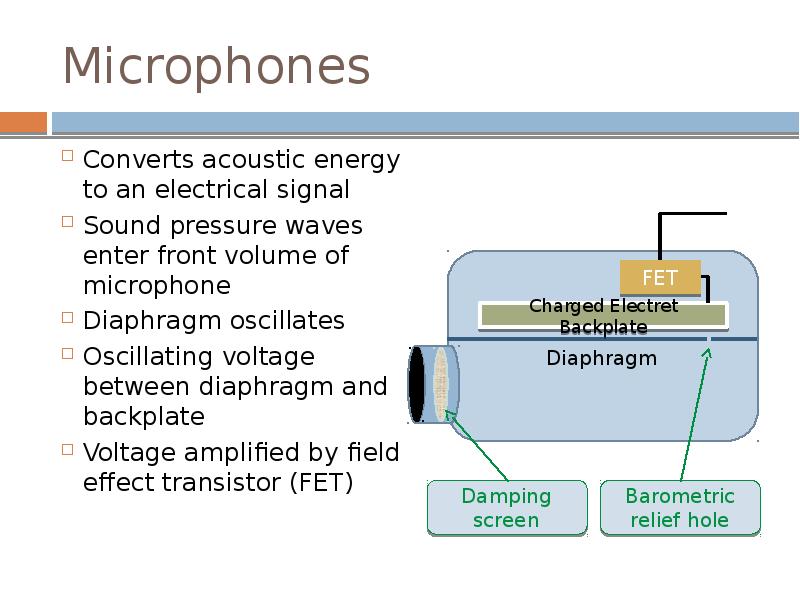
Converts acoustic energy to an electrical signal
Sound pressure waves enter front volume of microphone
Diaphragm oscillates
Oscillating voltage between diaphragm and backplate
Voltage amplified by field effect transistor (FET)
Слайд 17
Описание слайда:
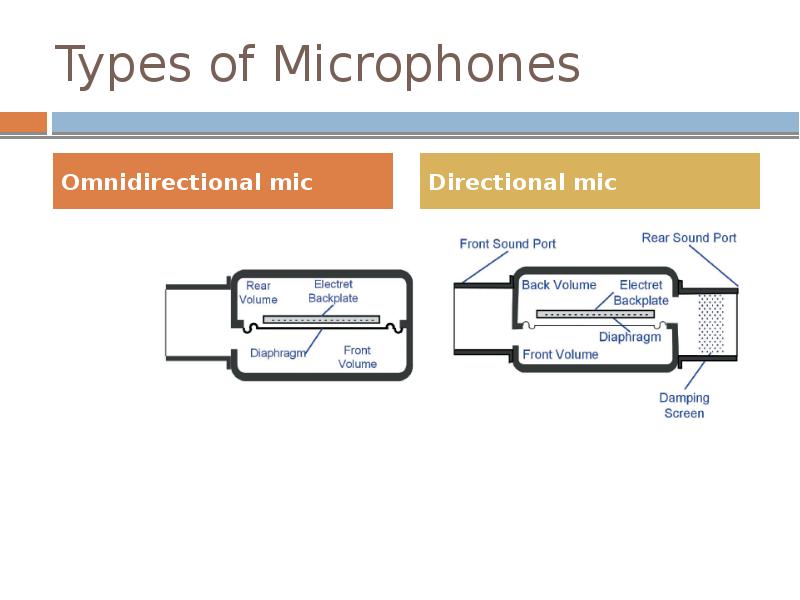
Types of Microphones
Omnidirectional mic
Слайд 18
Описание слайда:
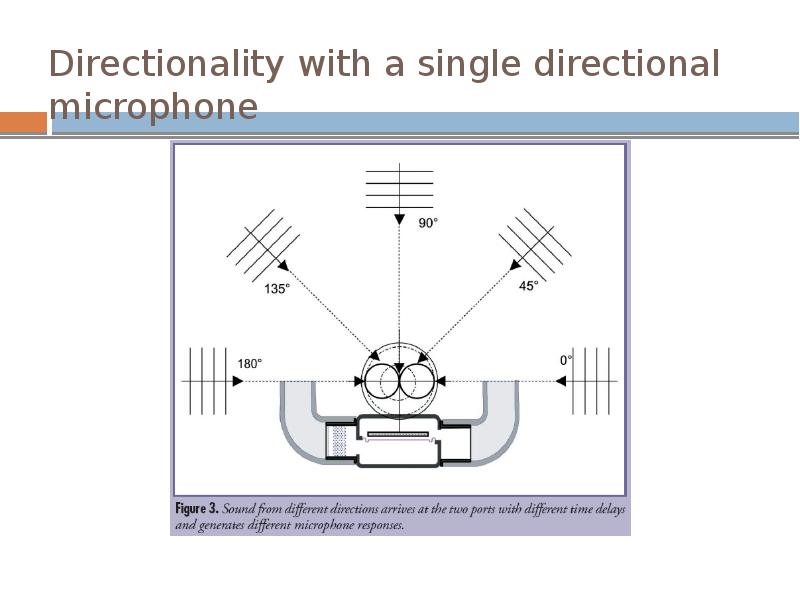
Directionality with a single directional microphone
Слайд 19
Описание слайда:
Directionality with a two omnidirectional microphone
Слайд 20
Описание слайда:
Directional sensitivity
Low frequencies lose sensitivity
Hearing aid must add gain to low frequency inputs to counteract reduced sensitivity
May make internal noise more audible
Слайд 21
Описание слайда:
Broken microphone?
Listening check
No feedback, no sound?
Check for debris in port, and clean out.
If applicable, turn hearing aid to t-coil and hold up to fluorescent light/CRT.
Buzzing? Probably microphone.
No buzzing? Probably receiver.
Слайд 22
Описание слайда:
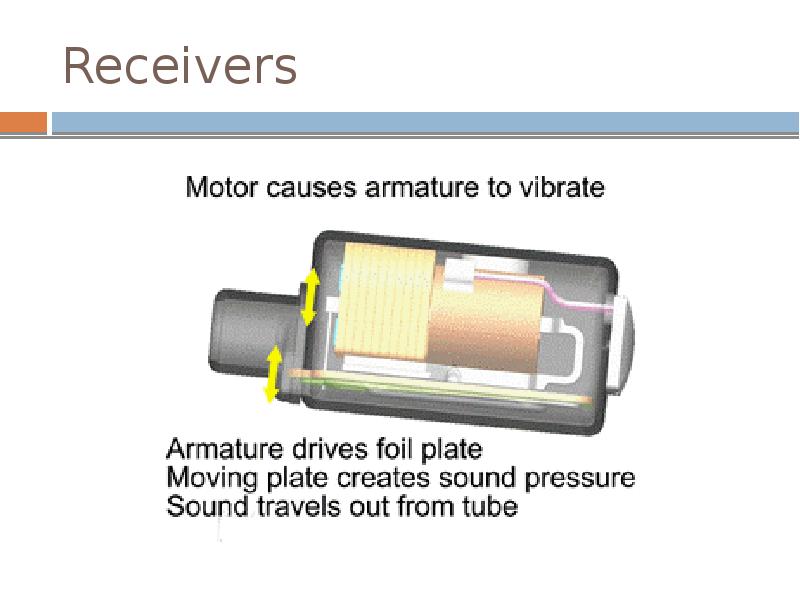
Receivers
Слайд 23
Описание слайда:
Receivers
Слайд 24
Описание слайда:
Signal Processors
Слайд 25
Описание слайда:
Signal processor
Слайд 26
Описание слайда:
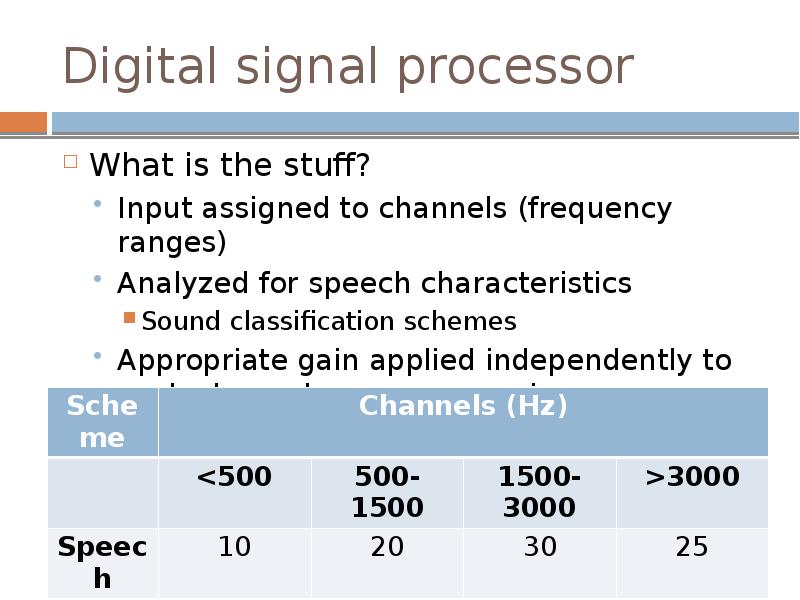
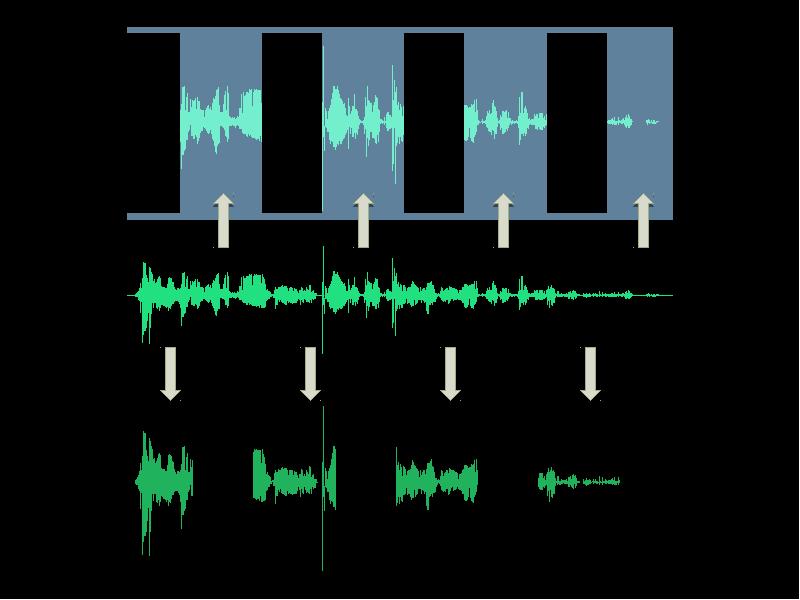
Digital signal processor
What is the stuff?
Input assigned to channels (frequency ranges)
Analyzed for speech characteristics
Sound classification schemes
Appropriate gain applied independently to each channel per programming
Слайд 27
Описание слайда:
Слайд 28
Описание слайда:
Слайд 29
Описание слайда:
Слайд 30
Описание слайда:
Other aids
Слайд 31
Описание слайда:
Bone conduction hearing aids
Intact cochlea
Air conduction hearing aids contraindicated
Chronic drainage
Microtia
Слайд 32
Описание слайда:
Слайд 33
Описание слайда:
CROS
Contralateral Routing of Signal
Microphone on one side
Receiver on the other
No amplification
Used for unilateral loss
One dead ear
One normal ear
Слайд 34
Описание слайда:
Скачать презентацию на тему Types of Hearing Aids можно ниже: