Public health. Medicare and medicaid. Law and poverty презентация
Содержание
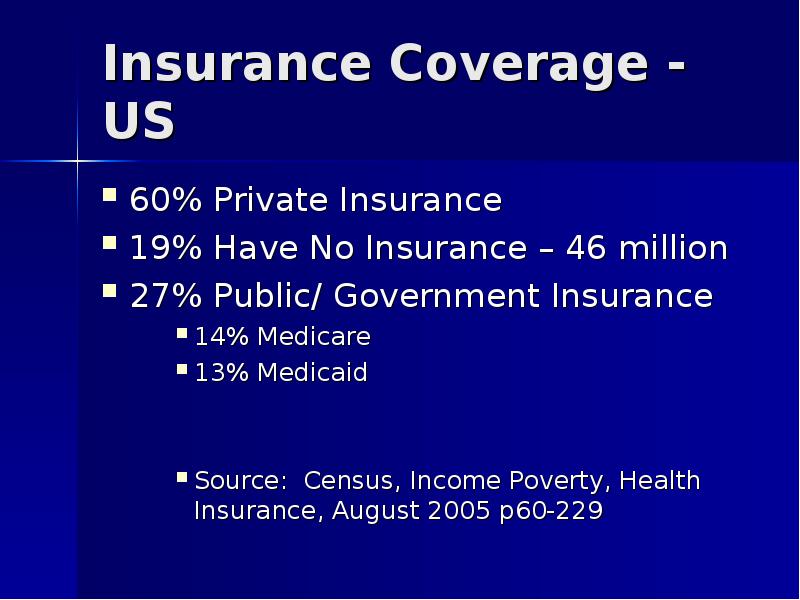
- 3. Insurance Coverage - US 60% Private Insurance 19% Have No
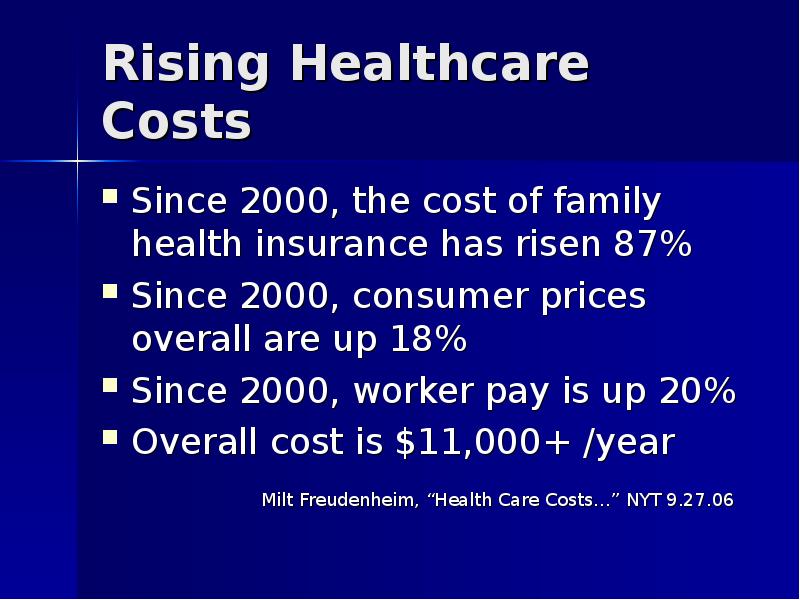
- 4. Rising Healthcare Costs Since 2000, the cost of family health insurance
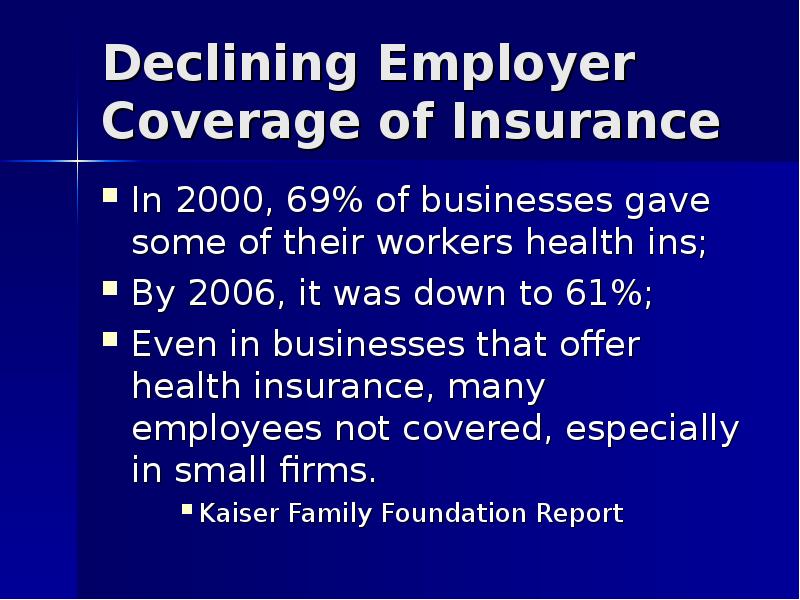
- 5. Declining Employer Coverage of Insurance In 2000, 69% of businesses gave
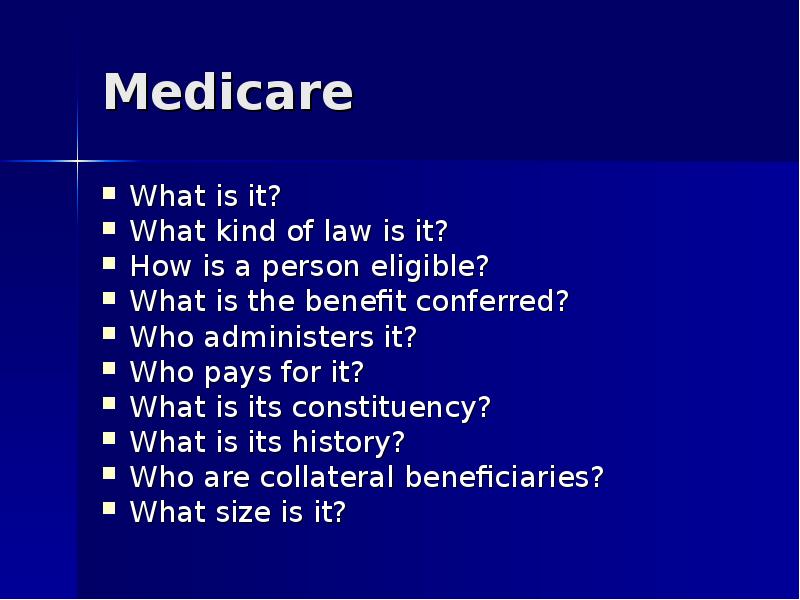
- 6. Medicare What is it? What kind of law is it? How
- 7. What is Medicare? Federal Law Medicare is a nationwide federal health
- 8. Eligibility for Medicare Depends on part Part A- hospital insurance almost
- 10. What is Medicare Benefit? Very much like insurance with co-pays, deductibles,
- 11. Administration of Medicare? CMS, within the Dept of Health and Human
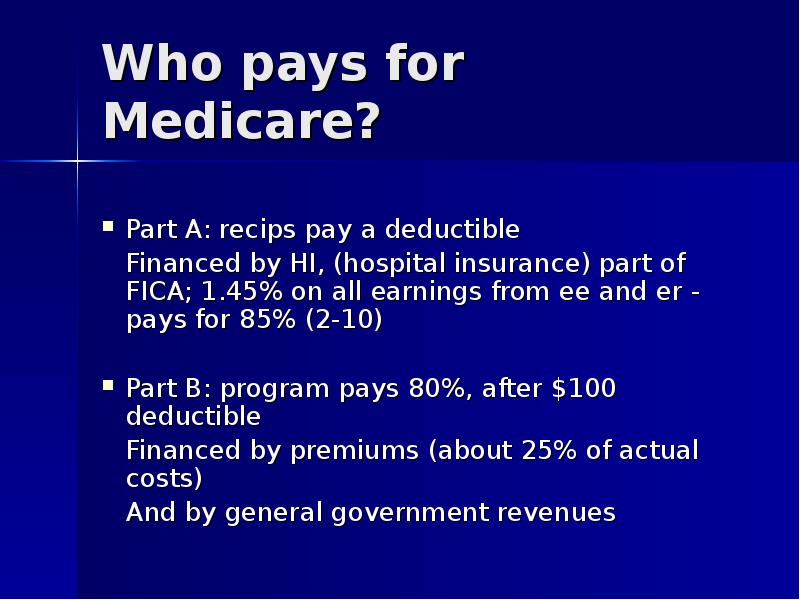
- 12. Who pays for Medicare? Part A: recips pay a deductible Financed
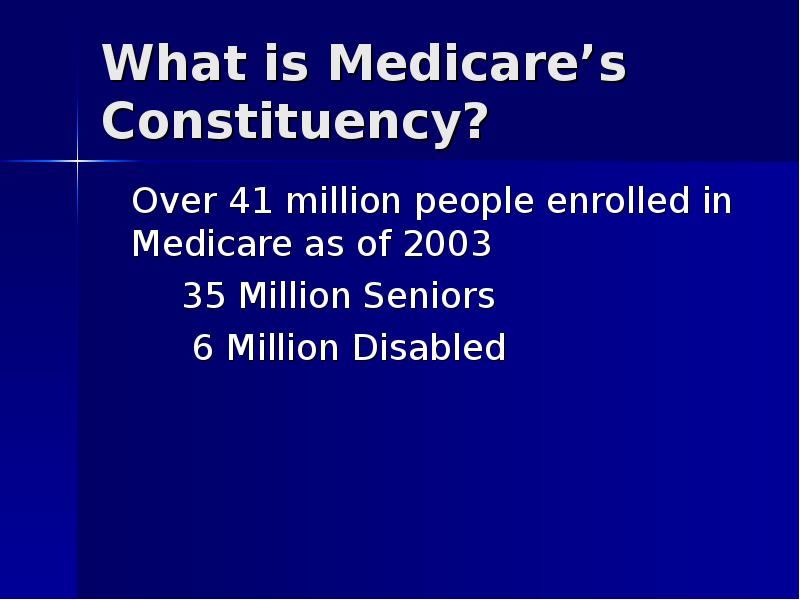
- 13. What is Medicare’s Constituency? Over 41 million people enrolled in Medicare
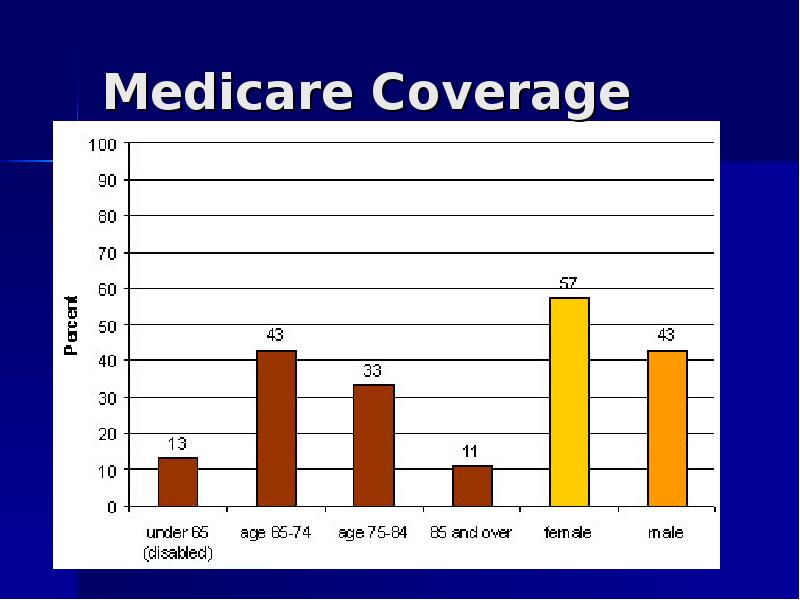
- 14. Medicare Coverage
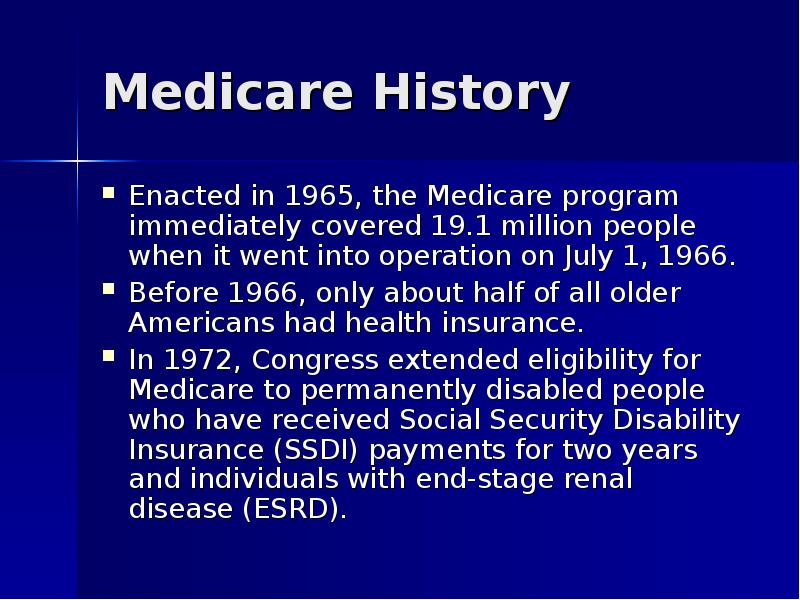
- 15. Medicare History Enacted in 1965, the Medicare program immediately covered 19.1
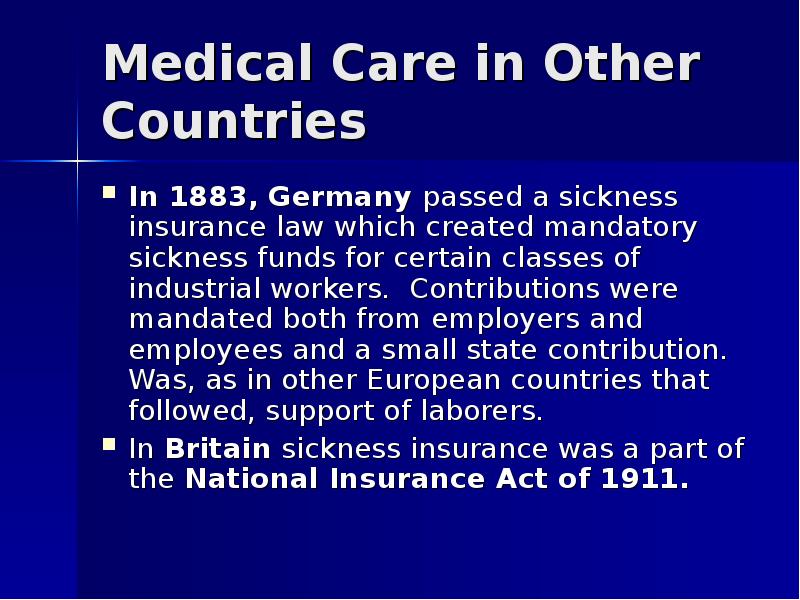
- 16. Medical Care in Other Countries In 1883, Germany passed a sickness
- 17. Who are collateral beneficiaries?
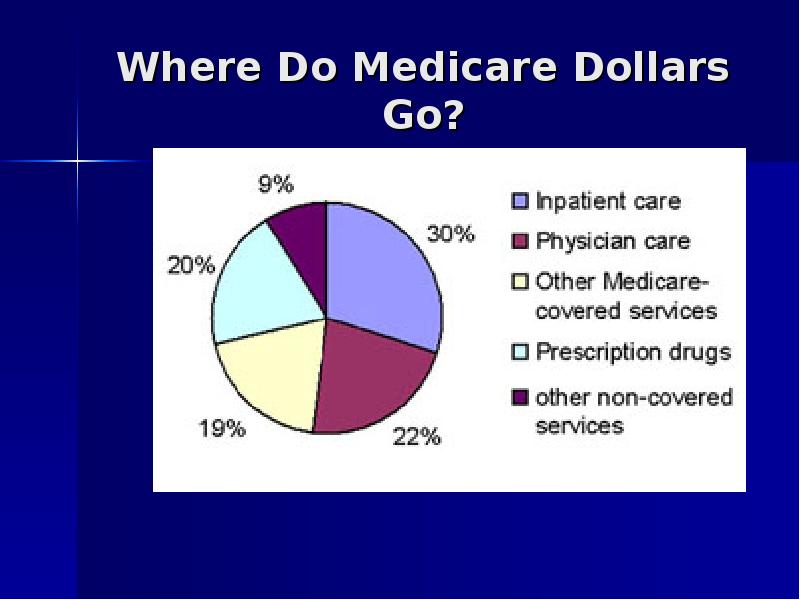
- 18. Where Do Medicare Dollars Go?
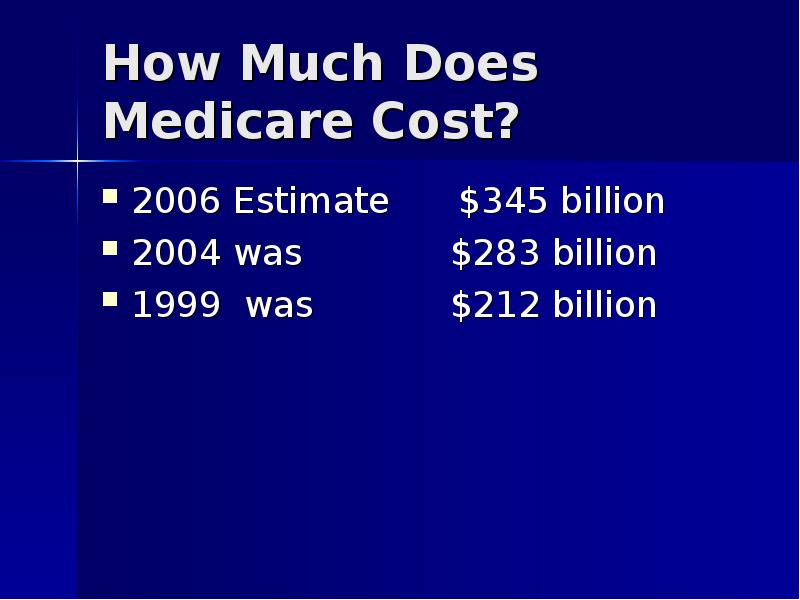
- 19. How Much Does Medicare Cost? 2006 Estimate $345 billion 2004
- 21. New Medicare Benefit Prescription Drug Coverage
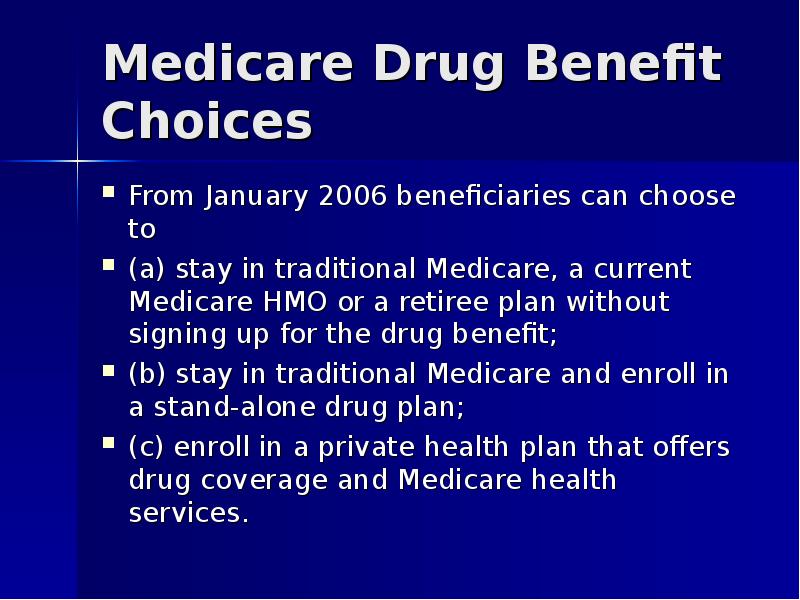
- 22. Medicare Drug Benefit Choices From January 2006 beneficiaries can choose to
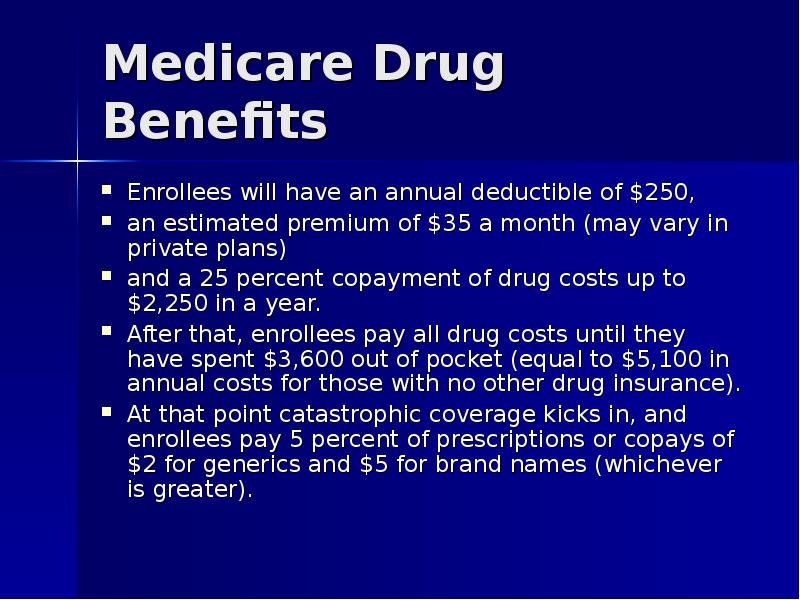
- 23. Medicare Drug Benefits Enrollees will have an annual deductible of $250,
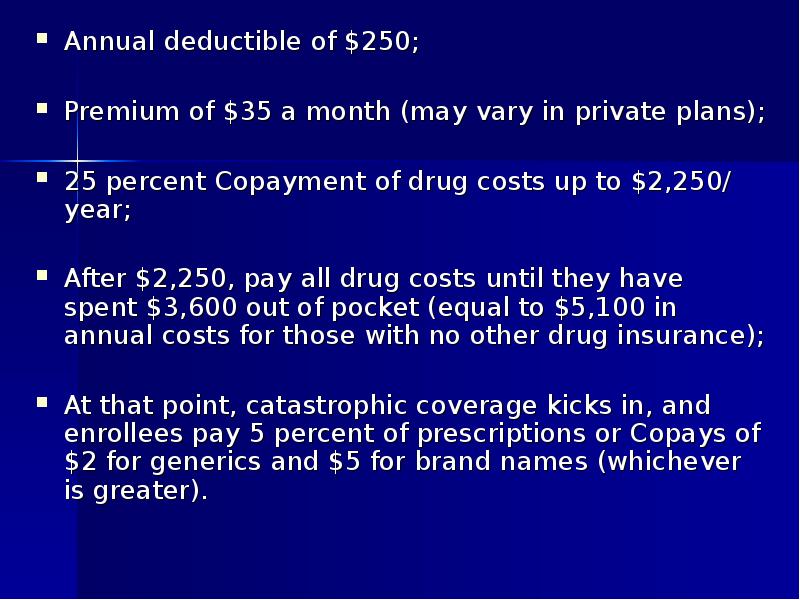
- 25. Annual deductible of $250; Annual deductible of $250; Premium of $35
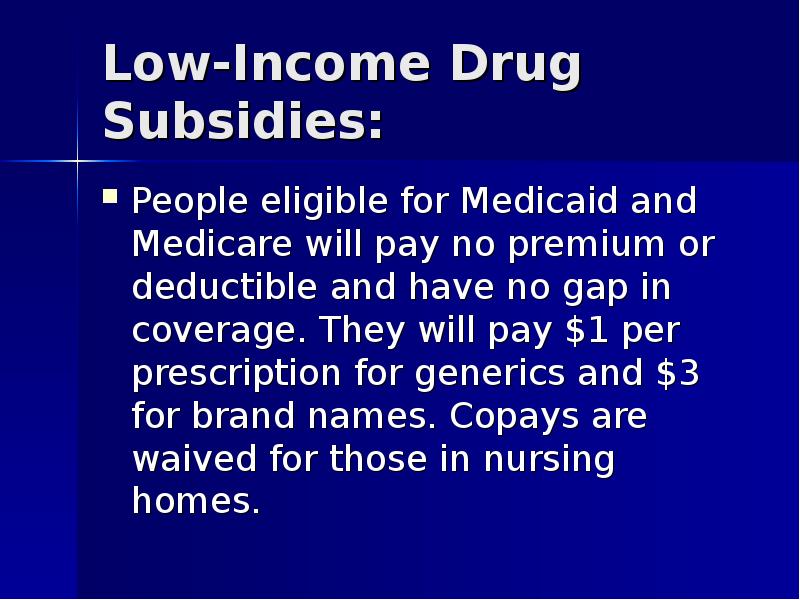
- 26. Low-Income Drug Subsidies: People eligible for Medicaid and Medicare will pay
- 27. People with incomes below about $13,000 ($17,600 for couples) in 2006
- 29. 2007 Medicare Changes: The Part B premium will be linked
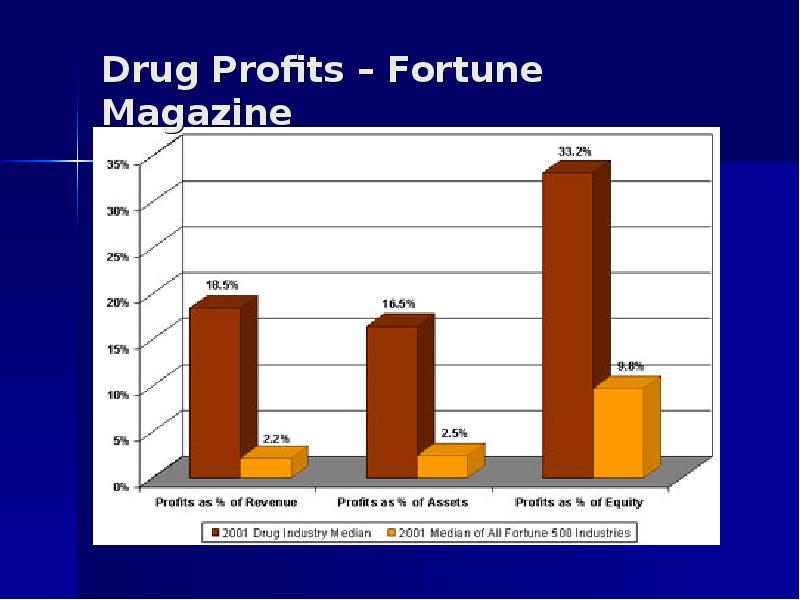
- 30. Drug Profits – Fortune Magazine
- 31. Medicaid What is it? What kind of law is it? How
- 32. Medicaid A federal-state program providing medical assistance to low-income persons who
- 33. Medicaid Law Joint Federal and State Law
- 34. Eligibility for Medicaid FINANCIAL REQUIREMENTS: First must be indigent Income and
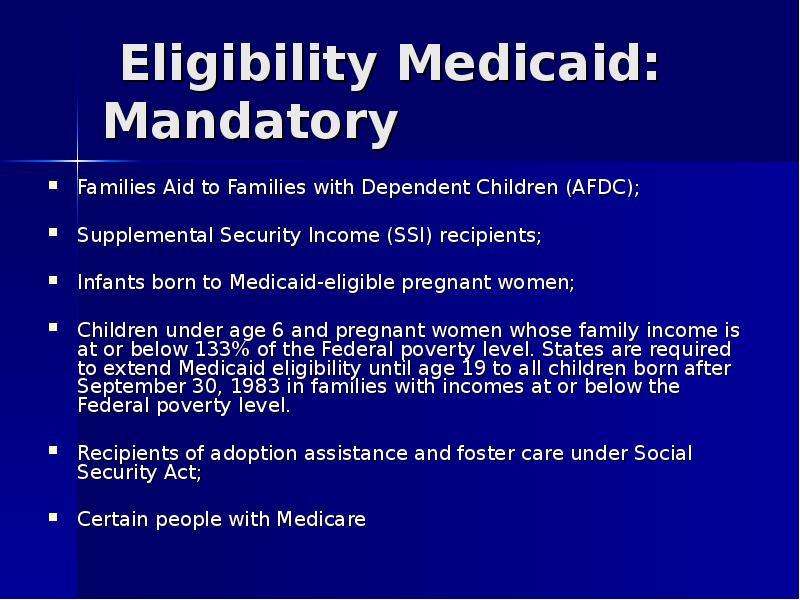
- 35. Eligibility Medicaid: Mandatory Families Aid to Families with Dependent Children (AFDC);
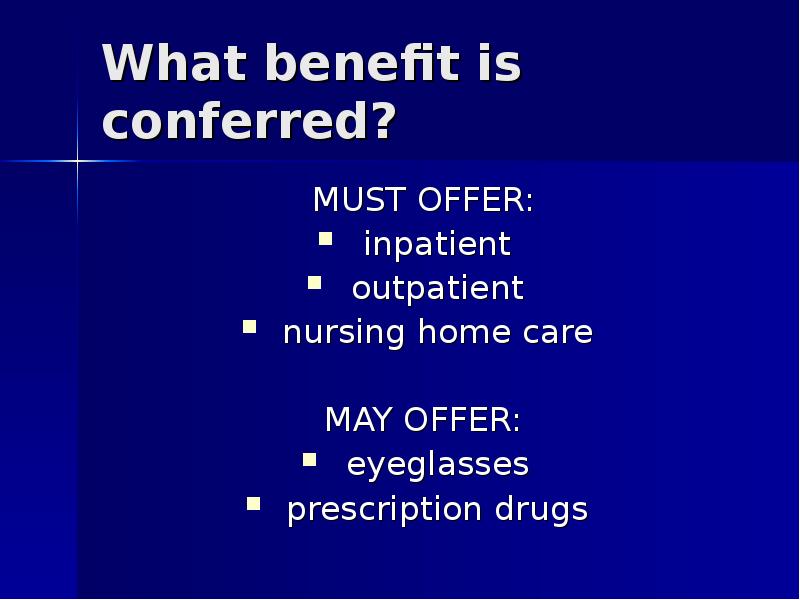
- 36. What benefit is conferred? MUST OFFER: inpatient outpatient nursing home
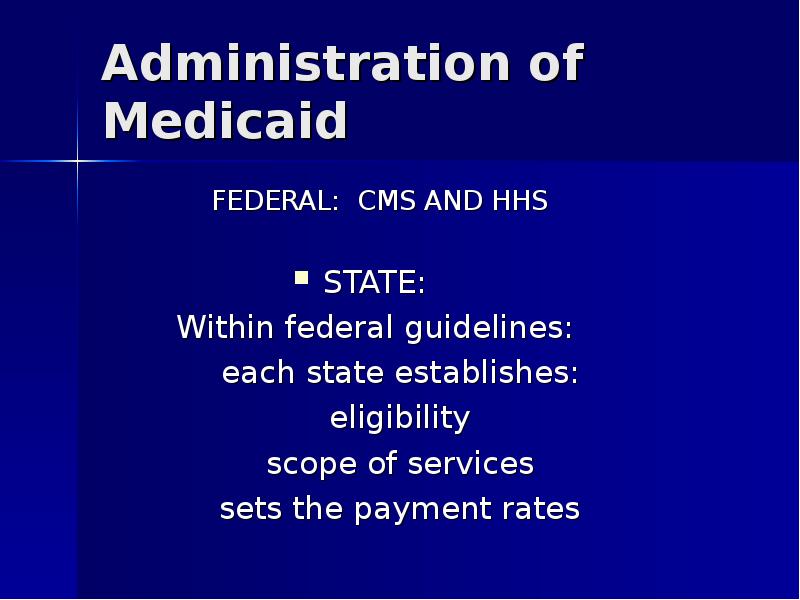
- 37. Administration of Medicaid FEDERAL: CMS AND HHS STATE: Within federal guidelines:
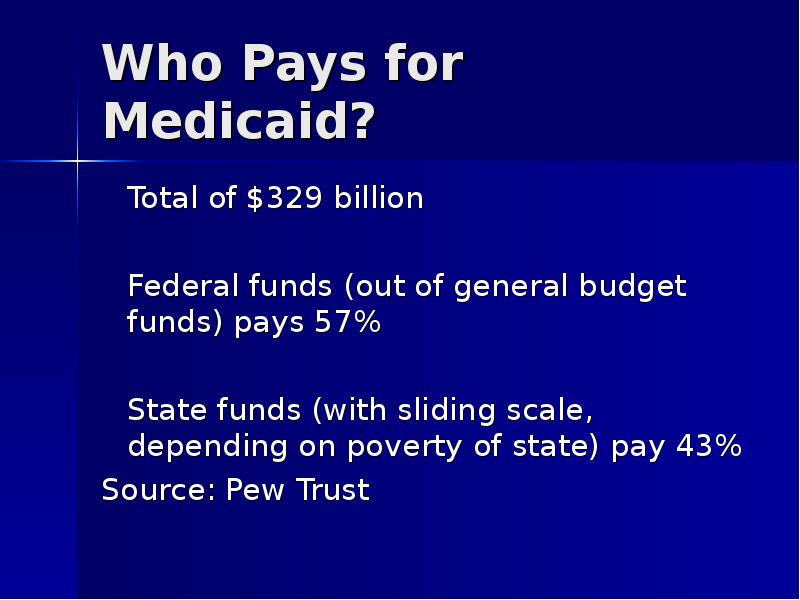
- 39. Who Pays for Medicaid? Total of $329 billion Federal funds (out
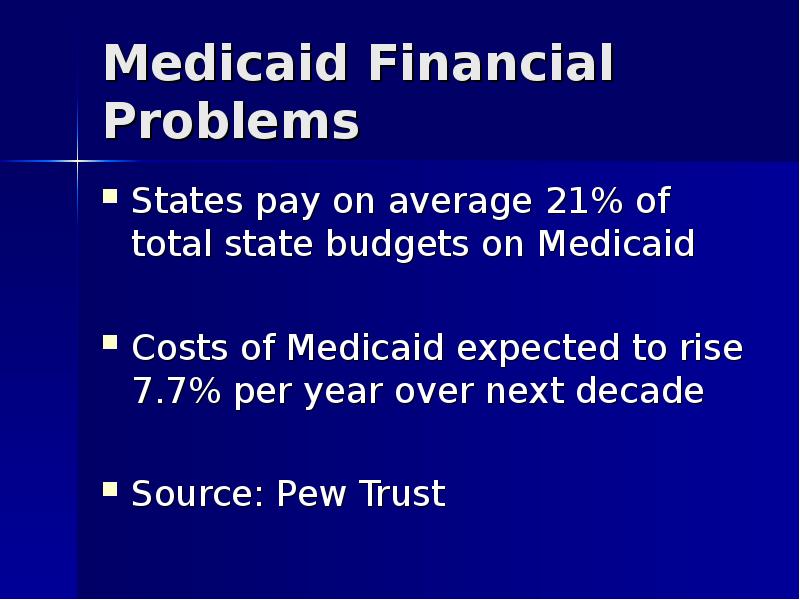
- 40. Medicaid Financial Problems States pay on average 21% of total state
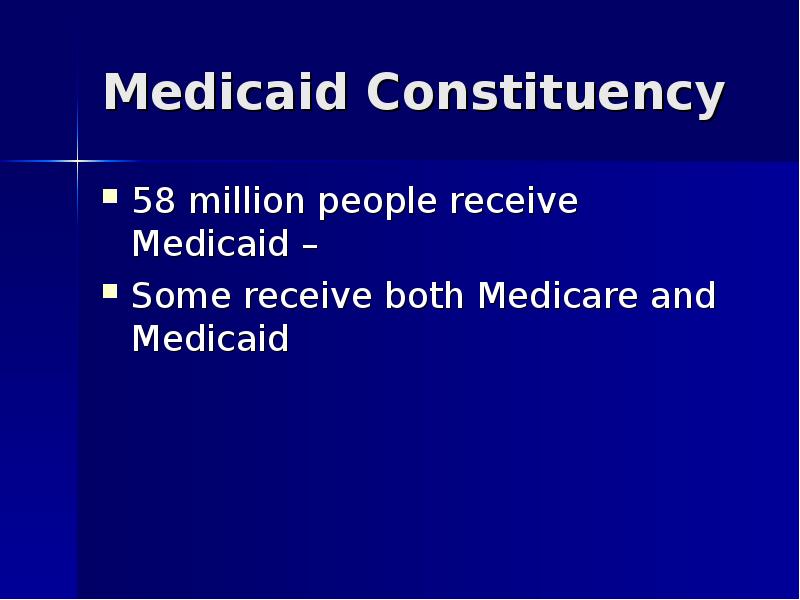
- 42. Medicaid Constituency 58 million people receive Medicaid – Some receive
- 43. Elderly and Medicaid
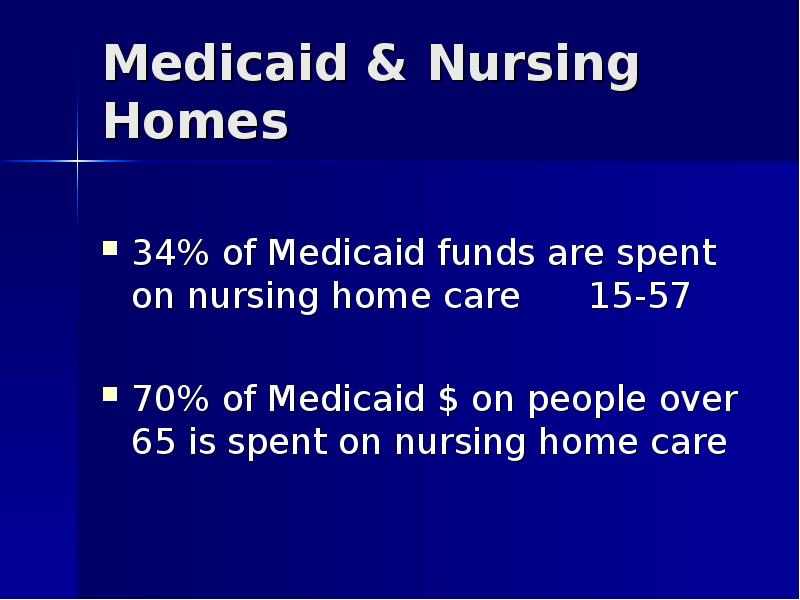
- 44. Medicaid & Nursing Homes 34% of Medicaid funds are spent on
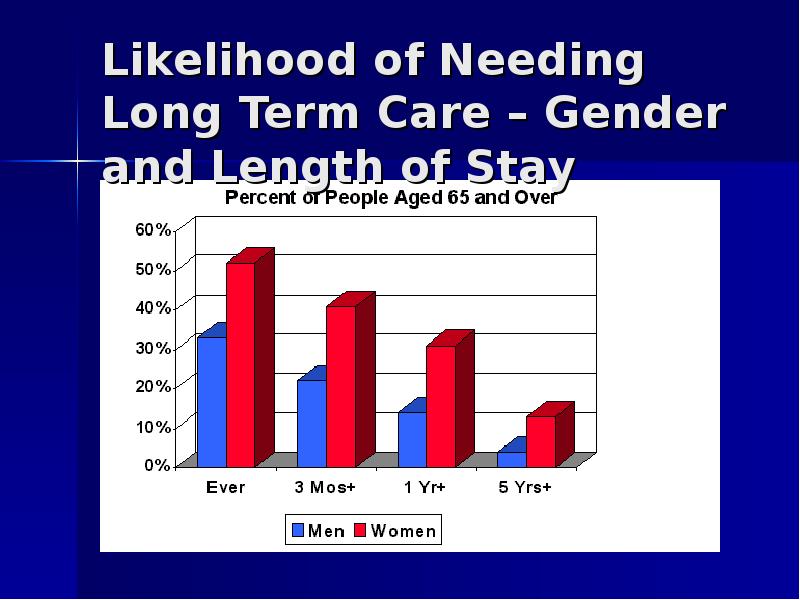
- 45. Likelihood of Needing Long Term Care – Gender and Length of
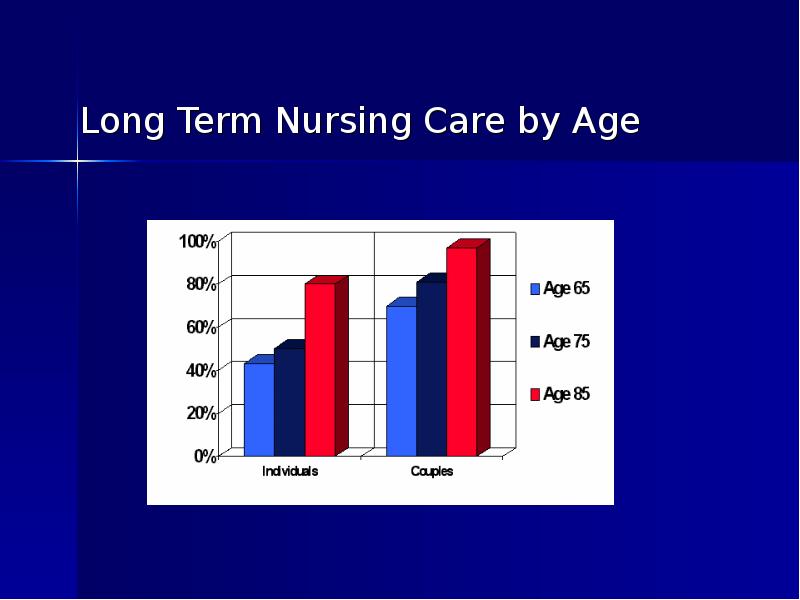
- 46. Long Term Nursing Care by Age Long Term Nursing Care by
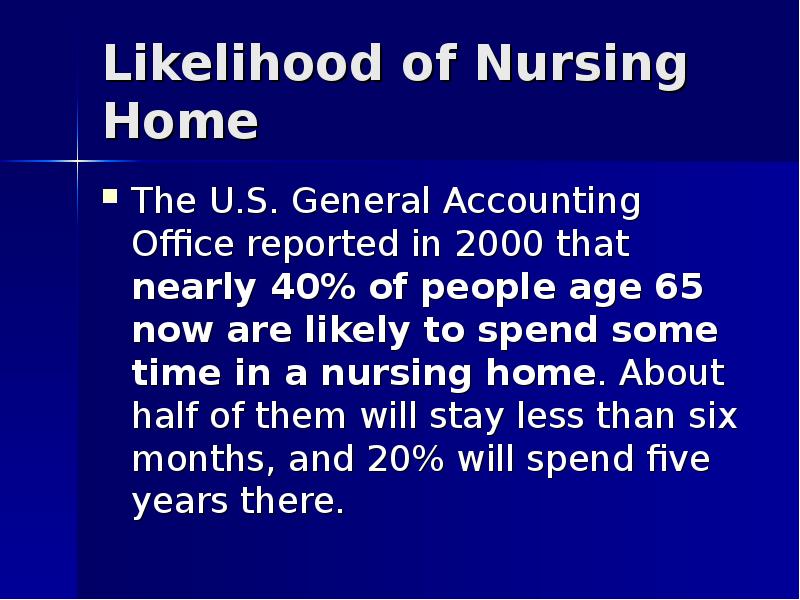
- 47. Likelihood of Nursing Home The U.S. General Accounting Office reported
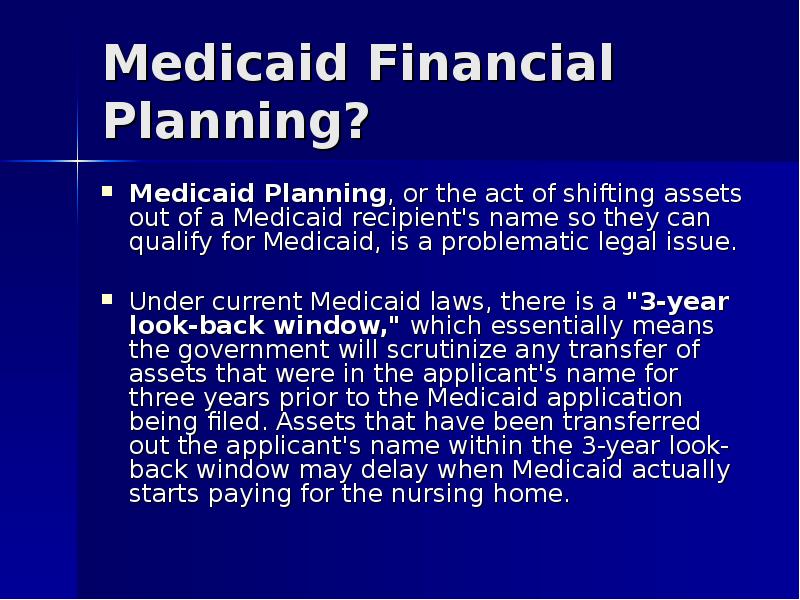
- 48. Medicaid Financial Planning? Medicaid Planning, or the act of shifting assets
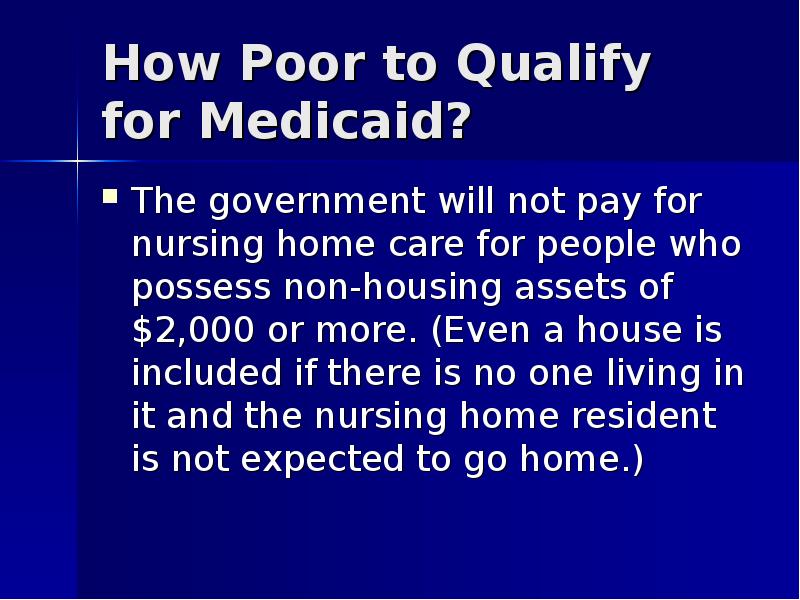
- 49. How Poor to Qualify for Medicaid? The government will not pay
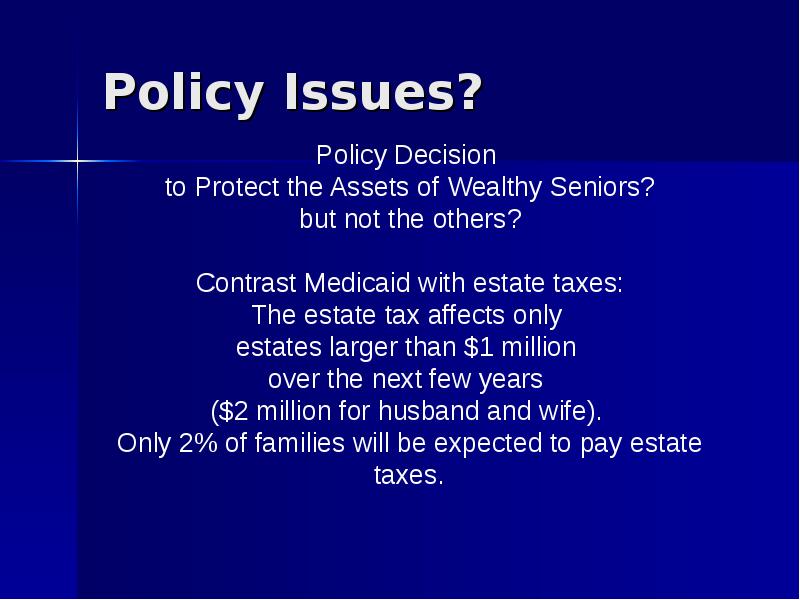
- 50. Policy Issues?
- 52. Policy Issues Recall History of Law and Poverty, FAMILY RESPONSIBILITY: 3
- 53. CHIP CHIP: Children’s Health Insurance Program Structure much like Medicaid Federal
- 54. Uninsured in US 46 Million People
- 55. What About Uninsured? Twenty-five percent of all working class families in
- 56. Consequences of Lack of Health Insurance (part one) ¨ Uninsured
- 57. Consequences (cont) ¨ Only half of uninsured children visited a physician
- 58. Consequences (cont) ¨ Tax dollars paid for an estimated 85 percent
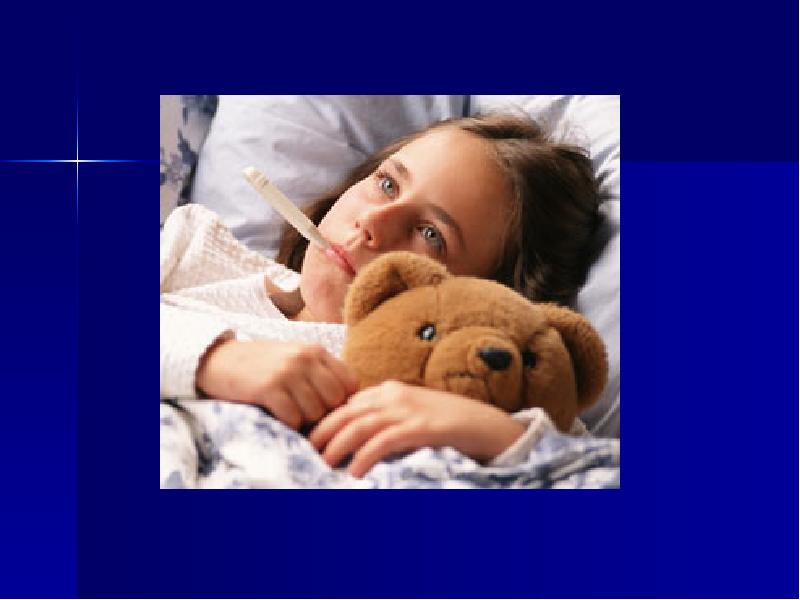
- 59. What Happens When Some of the 46 Million Uninsured Get Sick?
- 60. Uninsured - Conclusion ¨ The United States loses the equivalent of
- 62. What Happens When Some of the 46 million Uninsured Get REALLY
- 64. EMTALA Emergency Medical Treatment and Active Labor Act Anti-Dumping Law,
- 66. History of EMTALA History: Hill-Burton gave hospitals big $, in return
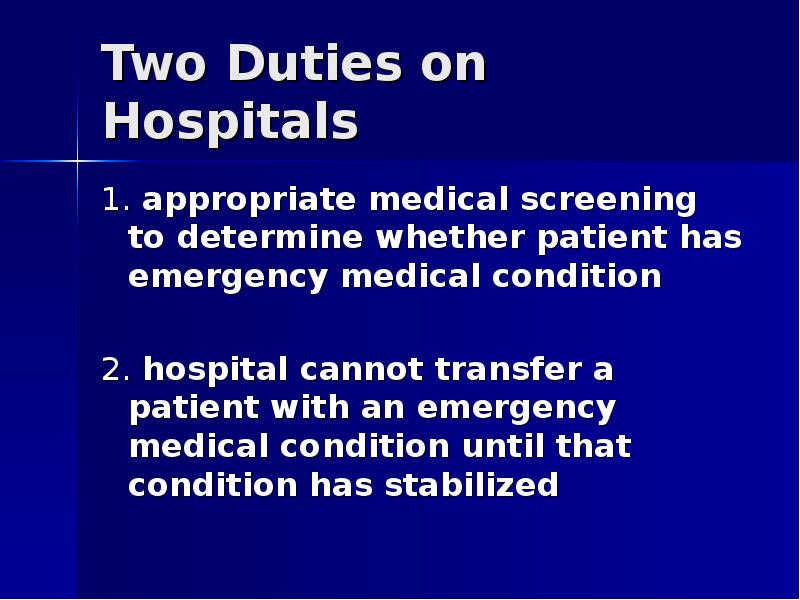
- 67. Two Duties on Hospitals 1. appropriate medical screening to determine whether
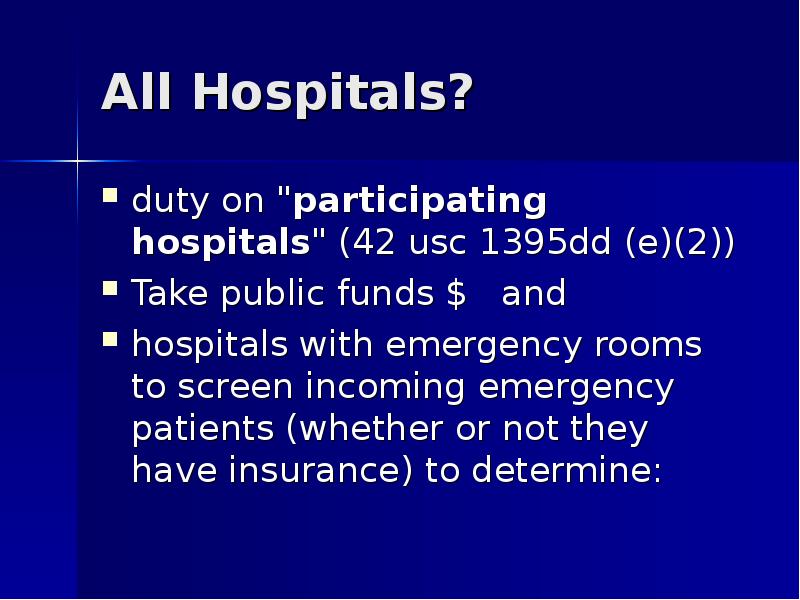
- 68. All Hospitals? duty on "participating hospitals" (42 usc 1395dd (e)(2)) Take
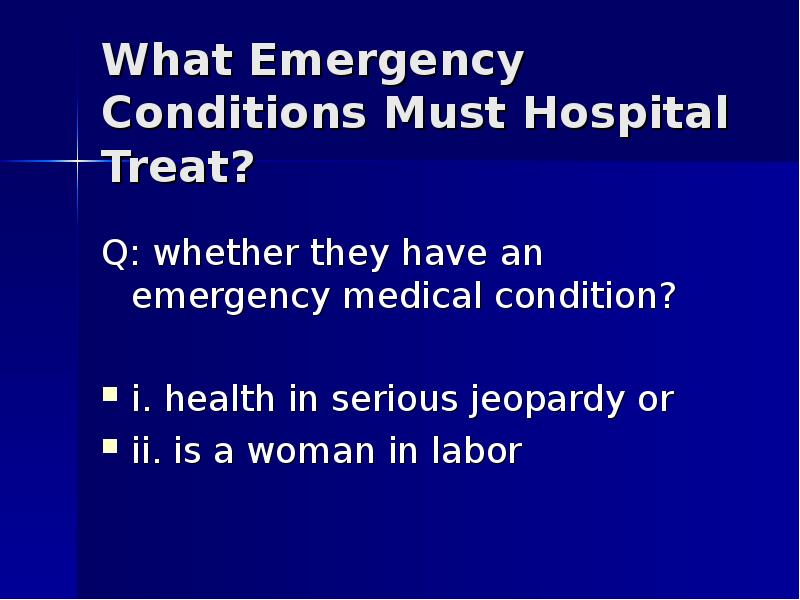
- 69. What Emergency Conditions Must Hospital Treat? Q: whether they have an
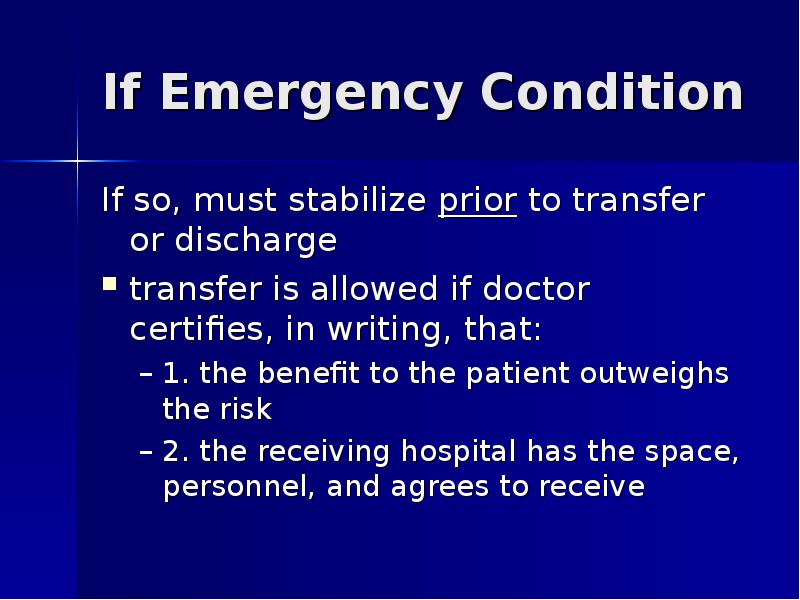
- 70. If Emergency Condition If so, must stabilize prior to transfer or
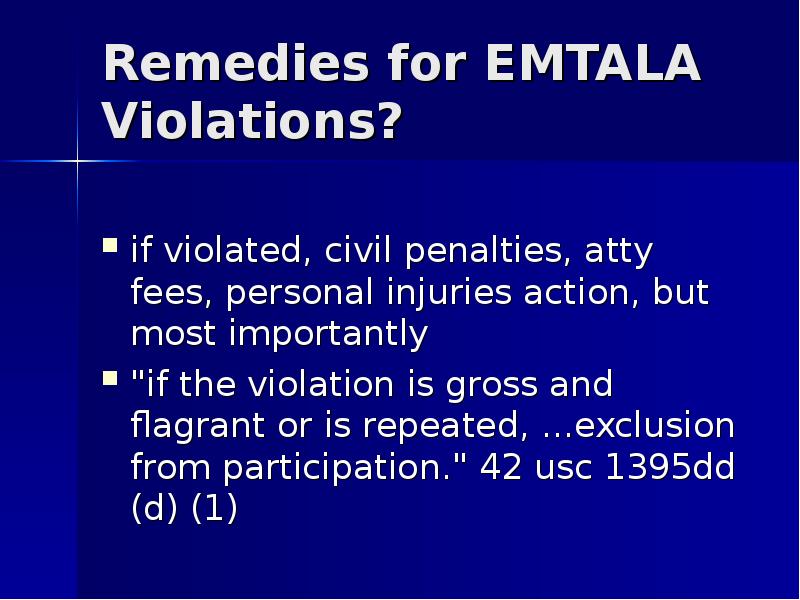
- 71. Remedies for EMTALA Violations? if violated, civil penalties, atty fees, personal
- 72. Actual Logo of Personal Injury Firm of Friedman, Domiano and Smith,
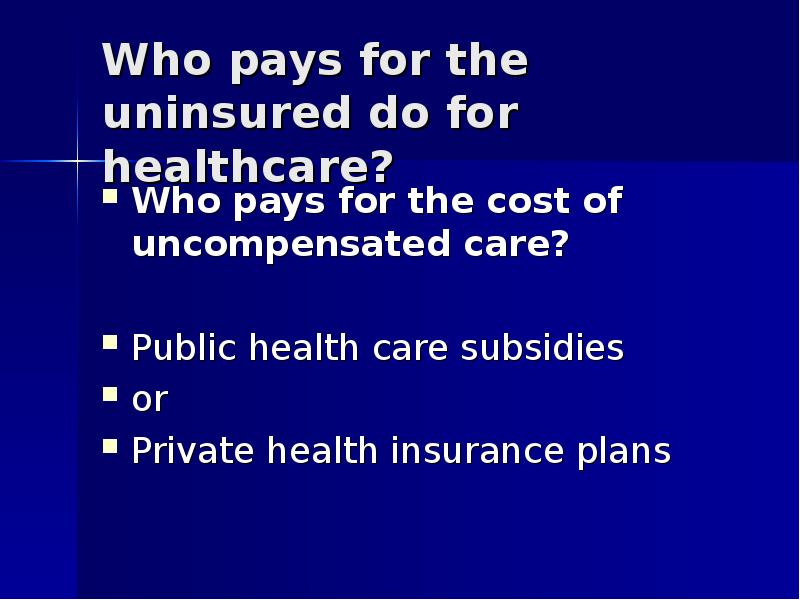
- 73. Who pays for the uninsured do for healthcare? Who pays for
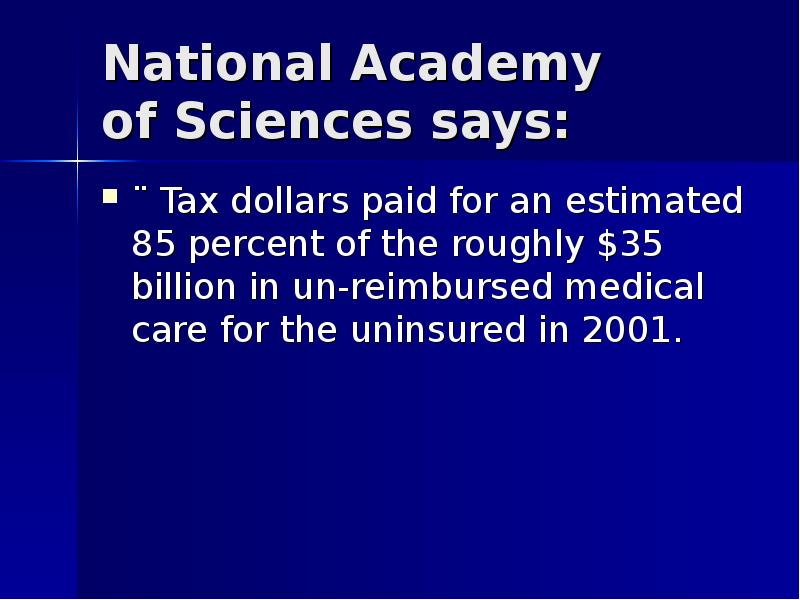
- 74. National Academy of Sciences says: ¨ Tax dollars paid for an
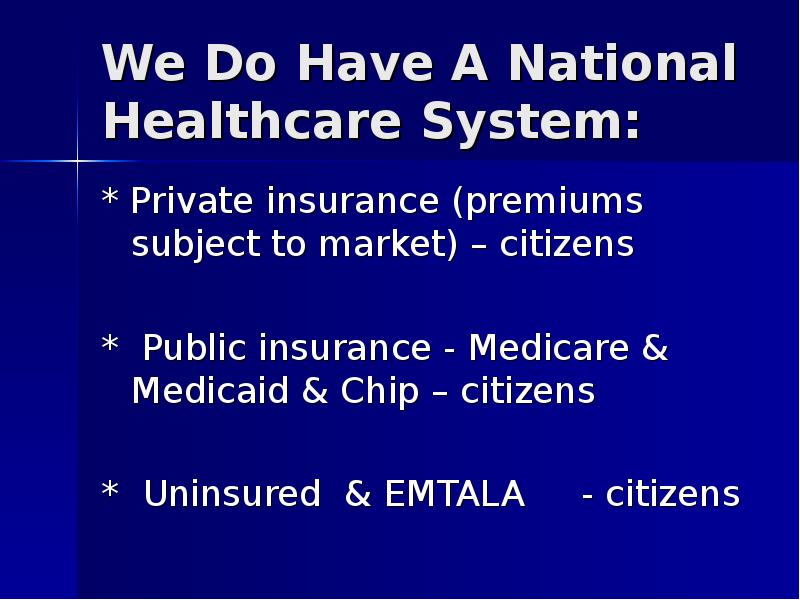
- 75. We Do Have A National Healthcare System: * Private insurance (premiums
- 76. Public Policy Considerations? Is This The Best System? Is This The
- 77. US Healthcare System To be continued….
- 79. Скачать презентацию

Слайды и текст этой презентации
Слайд 1
Описание слайда:
Public Health:
Medicare and Medicaid
Law and Poverty
Слайд 2
Описание слайда:
Слайд 3
Описание слайда:
Insurance Coverage - US
60% Private Insurance
19% Have No Insurance – 46 million
27% Public/ Government Insurance
14% Medicare
13% Medicaid
Source: Census, Income Poverty, Health Insurance, August 2005 p60-229
Слайд 4
Описание слайда:
Rising Healthcare Costs
Since 2000, the cost of family health insurance has risen 87%
Since 2000, consumer prices overall are up 18%
Since 2000, worker pay is up 20%
Overall cost is $11,000+ /year
Milt Freudenheim, “Health Care Costs…” NYT 9.27.06
Слайд 5
Описание слайда:
Declining Employer Coverage of Insurance
In 2000, 69% of businesses gave some of their workers health ins;
By 2006, it was down to 61%;
Even in businesses that offer health insurance, many employees not covered, especially in small firms.
Kaiser Family Foundation Report
Слайд 6
Описание слайда:
Medicare
What is it?
What kind of law is it?
How is a person eligible?
What is the benefit conferred?
Who administers it?
Who pays for it?
What is its constituency?
What is its history?
Who are collateral beneficiaries?
What size is it?
Слайд 7
Описание слайда:
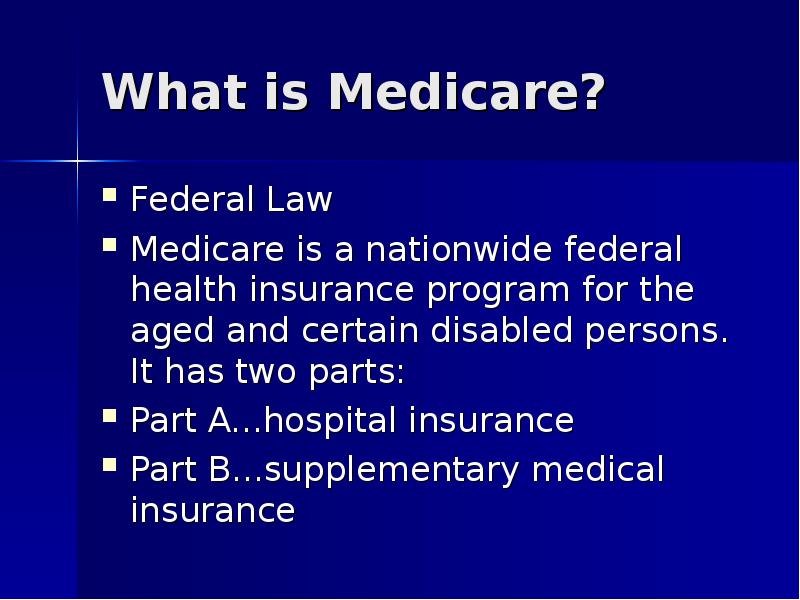
What is Medicare?
Federal Law
Medicare is a nationwide federal health insurance program for the aged and certain disabled persons. It has two parts:
Part A...hospital insurance
Part B...supplementary medical insurance
Слайд 8
Описание слайда:
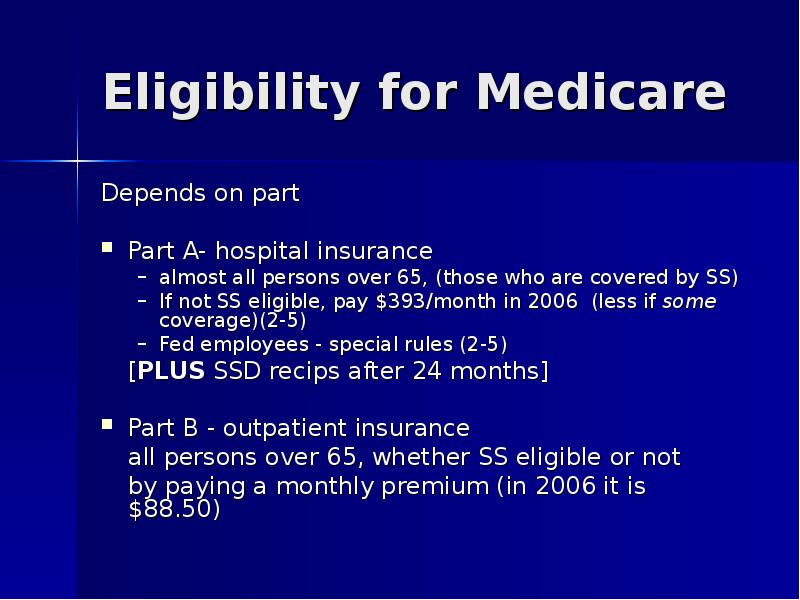
Eligibility for Medicare
Depends on part
Part A- hospital insurance
almost all persons over 65, (those who are covered by SS)
If not SS eligible, pay $393/month in 2006 (less if some coverage)(2-5)
Fed employees - special rules (2-5)
[PLUS SSD recips after 24 months]
Part B - outpatient insurance
all persons over 65, whether SS eligible or not
by paying a monthly premium (in 2006 it is $88.50)
Слайд 9
Описание слайда:
Слайд 10
Описание слайда:
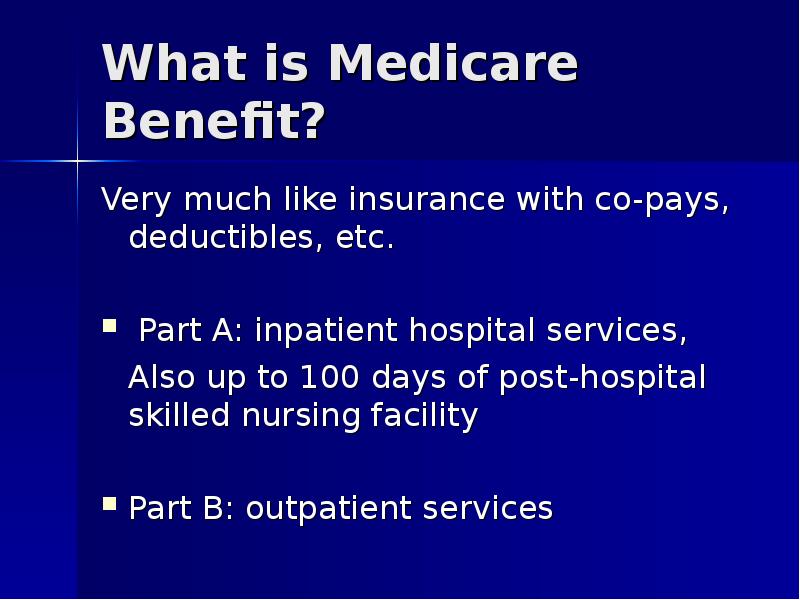
What is Medicare Benefit?
Very much like insurance with co-pays, deductibles, etc.
Part A: inpatient hospital services,
Also up to 100 days of post-hospital skilled nursing facility
Part B: outpatient services
Слайд 11
Описание слайда:
Administration of Medicare?
CMS, within the Dept of Health and Human Services; CMS=Center for Medicare and Medicaid Services
With help from insurance carriers (who handle claims)
Слайд 12
Описание слайда:
Who pays for Medicare?
Part A: recips pay a deductible
Financed by HI, (hospital insurance) part of FICA; 1.45% on all earnings from ee and er - pays for 85% (2-10)
Part B: program pays 80%, after $100 deductible
Financed by premiums (about 25% of actual costs)
And by general government revenues
Слайд 13
Описание слайда:
What is Medicare’s Constituency?
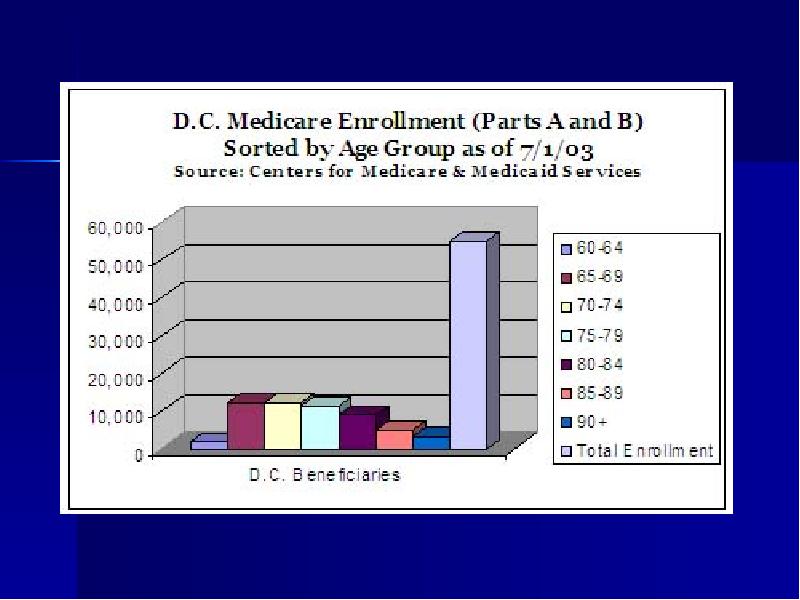
Over 41 million people enrolled in Medicare as of 2003
35 Million Seniors
6 Million Disabled
Слайд 14
Описание слайда:
Medicare Coverage
Слайд 15
Описание слайда:
Medicare History
Enacted in 1965, the Medicare program immediately covered 19.1 million people when it went into operation on July 1, 1966.
Before 1966, only about half of all older Americans had health insurance.
In 1972, Congress extended eligibility for Medicare to permanently disabled people who have received Social Security Disability Insurance (SSDI) payments for two years and individuals with end-stage renal disease (ESRD).
Слайд 16
Описание слайда:
Medical Care in Other Countries
In 1883, Germany passed a sickness insurance law which created mandatory sickness funds for certain classes of industrial workers. Contributions were mandated both from employers and employees and a small state contribution. Was, as in other European countries that followed, support of laborers.
In Britain sickness insurance was a part of the National Insurance Act of 1911.
Слайд 17
Описание слайда:
Who are collateral beneficiaries?
Слайд 18
Описание слайда:
Where Do Medicare Dollars Go?
Слайд 19
Описание слайда:
How Much Does Medicare Cost?
2006 Estimate $345 billion
2004 was $283 billion
1999 was $212 billion
Слайд 20
Описание слайда:
Слайд 21
Описание слайда:
New Medicare Benefit
Prescription Drug Coverage
Слайд 22
Описание слайда:
Medicare Drug Benefit Choices
From January 2006 beneficiaries can choose to
(a) stay in traditional Medicare, a current Medicare HMO or a retiree plan without signing up for the drug benefit;
(b) stay in traditional Medicare and enroll in a stand-alone drug plan;
(c) enroll in a private health plan that offers drug coverage and Medicare health services.
Слайд 23
Описание слайда:
Medicare Drug Benefits
Enrollees will have an annual deductible of $250,
an estimated premium of $35 a month (may vary in private plans)
and a 25 percent copayment of drug costs up to $2,250 in a year.
After that, enrollees pay all drug costs until they have spent $3,600 out of pocket (equal to $5,100 in annual costs for those with no other drug insurance).
At that point catastrophic coverage kicks in, and enrollees pay 5 percent of prescriptions or copays of $2 for generics and $5 for brand names (whichever is greater).
Слайд 24
Описание слайда:
Слайд 25
Описание слайда:
Annual deductible of $250;
Annual deductible of $250;
Premium of $35 a month (may vary in private plans);
25 percent Copayment of drug costs up to $2,250/ year;
After $2,250, pay all drug costs until they have spent $3,600 out of pocket (equal to $5,100 in annual costs for those with no other drug insurance);
At that point, catastrophic coverage kicks in, and enrollees pay 5 percent of prescriptions or Copays of $2 for generics and $5 for brand names (whichever is greater).
Слайд 26
Описание слайда:
Low-Income Drug Subsidies:
People eligible for Medicaid and Medicare will pay no premium or deductible and have no gap in coverage. They will pay $1 per prescription for generics and $3 for brand names. Copays are waived for those in nursing homes.
Слайд 27
Описание слайда:
People with incomes below about $13,000 ($17,600 for couples) in 2006 and assets of under $6,000 ($9,000 for couples) will pay no premium or deductible and have no gap in coverage. They will pay $2 for generics, $5 for brand names and nothing above the catastrophic limit.
People with incomes below about $13,000 ($17,600 for couples) in 2006 and assets of under $6,000 ($9,000 for couples) will pay no premium or deductible and have no gap in coverage. They will pay $2 for generics, $5 for brand names and nothing above the catastrophic limit.
People with incomes between $13,000 and $14,400 ($17,600 and $19,500 for couples) in 2006 and assets under $10,000 ($20,000 for couples) will pay premiums on a sliding scale, a $50 deductible and 15 percent of drug costs with no gap in coverage. After spending $3,600 out of pocket in a year, copays will be $2 for generics, $5 for brand names.
Слайд 28
Описание слайда:
Слайд 29
Описание слайда:
2007 Medicare Changes:
The Part B premium will be linked to income for the first time, starting in 2007.
People with incomes over $80,000 ($160,000 for couples) will pay more on a sliding scale – up to an extra $70 per month.
Will impact 1-2 m recips (of 40+)
Robert Pear, “Medicare Premiums to Rise,” NYT 2006
Слайд 30
Описание слайда:
Drug Profits – Fortune Magazine
Слайд 31
Описание слайда:
Medicaid
What is it?
What kind of law is it?
How is a person eligible?
What is the benefit conferred?
Who administers it?
Who pays for it?
What is its constituency?
What is its history?
Who are collateral beneficiaries?
What size is it
Слайд 32
Описание слайда:
Medicaid
A federal-state program providing medical assistance to low-income persons who are aged, blind, disabled, members of families with dependent children, and certain other pregnant women and children.
Слайд 33
Описание слайда:
Medicaid Law
Joint Federal and State Law
Слайд 34
Описание слайда:
Eligibility for Medicaid
FINANCIAL REQUIREMENTS:
First must be indigent
Income and
Resources
Слайд 35
Описание слайда:
Eligibility Medicaid: Mandatory
Families Aid to Families with Dependent Children (AFDC);
Supplemental Security Income (SSI) recipients;
Infants born to Medicaid-eligible pregnant women;
Children under age 6 and pregnant women whose family income is at or below 133% of the Federal poverty level. States are required to extend Medicaid eligibility until age 19 to all children born after September 30, 1983 in families with incomes at or below the Federal poverty level.
Recipients of adoption assistance and foster care under Social Security Act;
Certain people with Medicare
Слайд 36
Описание слайда:
What benefit is conferred?
MUST OFFER:
inpatient
outpatient
nursing home care
MAY OFFER:
eyeglasses
prescription drugs
Слайд 37
Описание слайда:
Administration of Medicaid
FEDERAL: CMS AND HHS
STATE:
Within federal guidelines:
each state establishes:
eligibility
scope of services
sets the payment rates
Слайд 38
Описание слайда:
Слайд 39
Описание слайда:
Who Pays for Medicaid?
Total of $329 billion
Federal funds (out of general budget funds) pays 57%
State funds (with sliding scale, depending on poverty of state) pay 43%
Source: Pew Trust
Слайд 40
Описание слайда:
Medicaid Financial Problems
States pay on average 21% of total state budgets on Medicaid
Costs of Medicaid expected to rise 7.7% per year over next decade
Source: Pew Trust
Слайд 41
Описание слайда:
Слайд 42
Описание слайда:
Medicaid Constituency
58 million people receive Medicaid –
Some receive both Medicare and Medicaid
Слайд 43
Описание слайда:
Elderly and Medicaid
Слайд 44
Описание слайда:
Medicaid & Nursing Homes
34% of Medicaid funds are spent on nursing home care 15-57
70% of Medicaid $ on people over 65 is spent on nursing home care
Слайд 45
Описание слайда:
Likelihood of Needing Long Term Care – Gender and Length of Stay
Слайд 46
Описание слайда:
Long Term Nursing Care by Age
Long Term Nursing Care by Age
Слайд 47
Описание слайда:
Likelihood of Nursing Home
The U.S. General Accounting Office reported in 2000 that nearly 40% of people age 65 now are likely to spend some time in a nursing home. About half of them will stay less than six months, and 20% will spend five years there.
Слайд 48
Описание слайда:
Medicaid Financial Planning?
Medicaid Planning, or the act of shifting assets out of a Medicaid recipient's name so they can qualify for Medicaid, is a problematic legal issue.
Under current Medicaid laws, there is a "3-year look-back window," which essentially means the government will scrutinize any transfer of assets that were in the applicant's name for three years prior to the Medicaid application being filed. Assets that have been transferred out the applicant's name within the 3-year look-back window may delay when Medicaid actually starts paying for the nursing home.
Слайд 49
Описание слайда:
How Poor to Qualify for Medicaid?
The government will not pay for nursing home care for people who possess non-housing assets of $2,000 or more. (Even a house is included if there is no one living in it and the nursing home resident is not expected to go home.)
Слайд 50
Описание слайда:
Policy Issues?
Слайд 51
Описание слайда:
Слайд 52
Описание слайда:
Policy Issues
Recall History of Law and Poverty, FAMILY RESPONSIBILITY: 3 generation responsibility
Tension between:
Do not want hard working seniors to have to impoverish themselves in order to get nursing home care
versus
Why should I pay for YOUR grandparents nursing home care?
Слайд 53
Описание слайда:
CHIP
CHIP: Children’s Health Insurance Program
Structure much like Medicaid
Federal / State Partnership
States have significant leeway in establishing benefit levels
Matching
Benefit: Health Care Coverage for Kids under 18 in low-income families
Low Income is Usually 200% of Poverty Level
Administration: Fed and State
Recipient Families can be charged modest premiums, and deductibles
How much cost? $40 billion over 10 years
Слайд 54
Описание слайда:
Uninsured in US
46 Million People
Слайд 55
Описание слайда:
What About Uninsured?
Twenty-five percent of all working class families in LA have no health insurance coverage all year long, more than 500,000 people above the poverty line.
885,000 people under and over poverty line do not have health insurance.
20% of all Louisiana children have no health insurance.
The number uninsured part of the year is 1.4 million (e.g. people between coverages or between jobs). Nationally 18% of all workers do not have health insurance.
Слайд 56
Описание слайда:
Consequences of Lack of Health Insurance (part one)
¨ Uninsured Americans get about half the medical care of those with health insurance. As a result, they tend to be sicker and to die sooner.
¨ About 18,000 unnecessary deaths occur each year because of lack of health insurance.
Слайд 57
Описание слайда:
Consequences (cont)
¨ Only half of uninsured children visited a physician during 2001, compared with three-quarters of insured children. Lack of regular care can result in more expensive care for preventable or treatable conditions, and disruptions in learning and development.
¨ When even one family member is uninsured, the entire family is at risk for the financial consequences of a catastrophic illness or injury.
Слайд 58
Описание слайда:
Consequences (cont)
¨ Tax dollars paid for an estimated 85 percent of the roughly $35 billion in un-reimbursed medical care for the uninsured in 2001.
¨ The burden of uncompensated care has been a factor in the closure of some hospitals and the unavailability of services in others. Disruptions in service can affect all who are served by a facility, even those who have health insurance.
Слайд 59
Описание слайда:
What Happens When Some of the 46 Million Uninsured Get Sick?
Слайд 60
Описание слайда:
Uninsured - Conclusion
¨ The United States loses the equivalent of $65 billion to $130 billion annually as a result of the poor health and early deaths of uninsured adults.
Source: National Academy of Sciences
Слайд 61
Описание слайда:
Слайд 62
Описание слайда:
What Happens When Some of the 46 million Uninsured Get REALLY Sick?
Слайд 63
Описание слайда:
Слайд 64
Описание слайда:
EMTALA
Emergency Medical Treatment and Active Labor Act
Anti-Dumping Law, 42 usc 1395dd
Слайд 65
Описание слайда:
Слайд 66
Описание слайда:
History of EMTALA
History: Hill-Burton gave hospitals big $, in return asked for uncompensated care; worked, didn't work? Had to get a bigger stick, EMTALA is it
Hill-Burton was passed in 1946, authorizing grants to construct hospitals. In return the hospitals were to provide a certain amount of uncompensated indigent care to the community. In 1974, it was found that hospitals actual provision of care was minimal. New rules and regs were promulgated and hospitals were forced to notify patients in writing of their obligation to provide hill-burton care
Слайд 67
Описание слайда:
Two Duties on Hospitals
1. appropriate medical screening to determine whether patient has emergency medical condition
2. hospital cannot transfer a patient with an emergency medical condition until that condition has stabilized
Слайд 68
Описание слайда:
All Hospitals?
duty on "participating hospitals" (42 usc 1395dd (e)(2))
Take public funds $ and
hospitals with emergency rooms to screen incoming emergency patients (whether or not they have insurance) to determine:
Слайд 69
Описание слайда:
What Emergency Conditions Must Hospital Treat?
Q: whether they have an emergency medical condition?
i. health in serious jeopardy or
ii. is a woman in labor
Слайд 70
Описание слайда:
If Emergency Condition
If so, must stabilize prior to transfer or discharge
transfer is allowed if doctor certifies, in writing, that:
1. the benefit to the patient outweighs the risk
2. the receiving hospital has the space, personnel, and agrees to receive
Слайд 71
Описание слайда:
Remedies for EMTALA Violations?
if violated, civil penalties, atty fees, personal injuries action, but most importantly
"if the violation is gross and flagrant or is repeated, ...exclusion from participation." 42 usc 1395dd (d) (1)
Слайд 72
Описание слайда:
Actual Logo of Personal Injury Firm of
Friedman, Domiano and Smith, Cleveland, Ohio
Слайд 73
Описание слайда:
Who pays for the uninsured do for healthcare?
Who pays for the cost of uncompensated care?
Public health care subsidies
or
Private health insurance plans
Слайд 74
Описание слайда:
National Academy
of Sciences says:
¨ Tax dollars paid for an estimated 85 percent of the roughly $35 billion in un-reimbursed medical care for the uninsured in 2001.
Слайд 75
Описание слайда:
We Do Have A National Healthcare System:
* Private insurance (premiums subject to market) – citizens
* Public insurance - Medicare & Medicaid & Chip – citizens
* Uninsured & EMTALA - citizens
Слайд 76
Описание слайда:
Public Policy Considerations?
Is This The Best System?
Is This The Least Expensive System?
Does This System Provide the Best Healthcare?
Are There Alternatives?
Слайд 77
Описание слайда:
US Healthcare System
To be continued….
Слайд 78
Описание слайда:
Скачать презентацию на тему Public health. Medicare and medicaid. Law and poverty можно ниже: