Interactive Reading with Reading Circles презентация
Содержание
- 2. What is a reading circle? Background: An instructional approach for helping
- 3. How does a reading circle work? Each student is assigned
- 4. What kinds of roles are there? The types of roles you
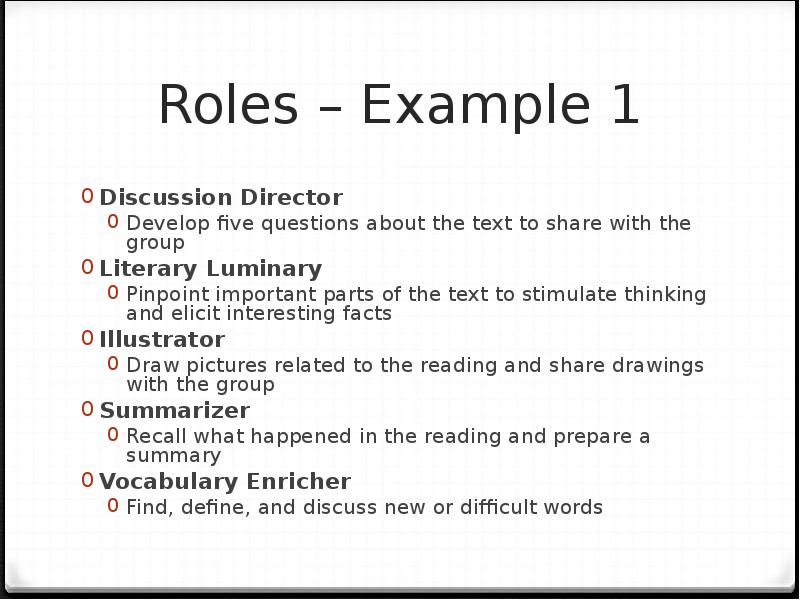
- 5. Roles – Example 1 Discussion Director Develop five questions about the
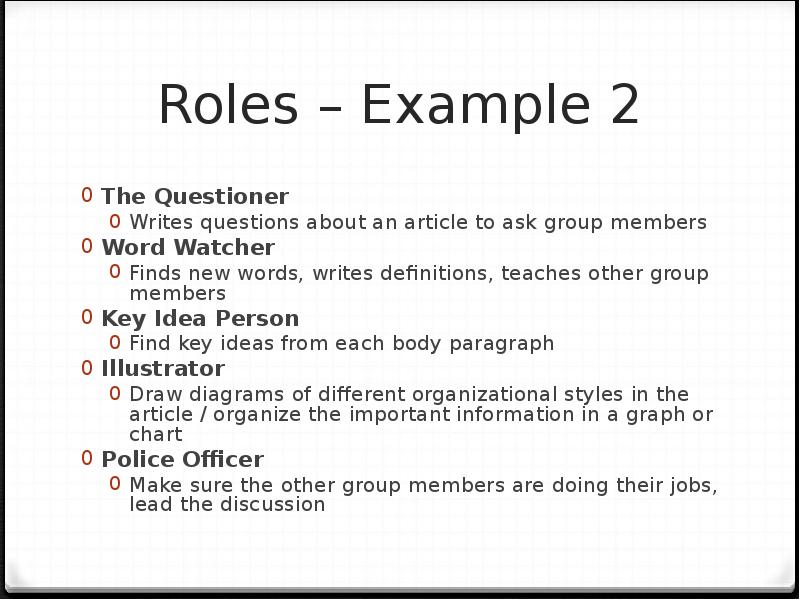
- 6. Roles – Example 2 The Questioner Writes questions about an article
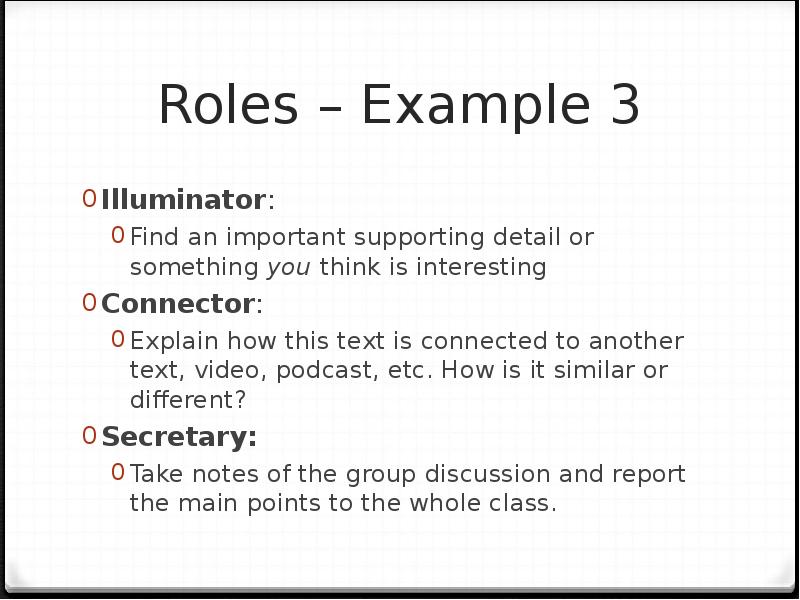
- 7. Roles – Example 3 Illuminator: Find an important supporting detail or
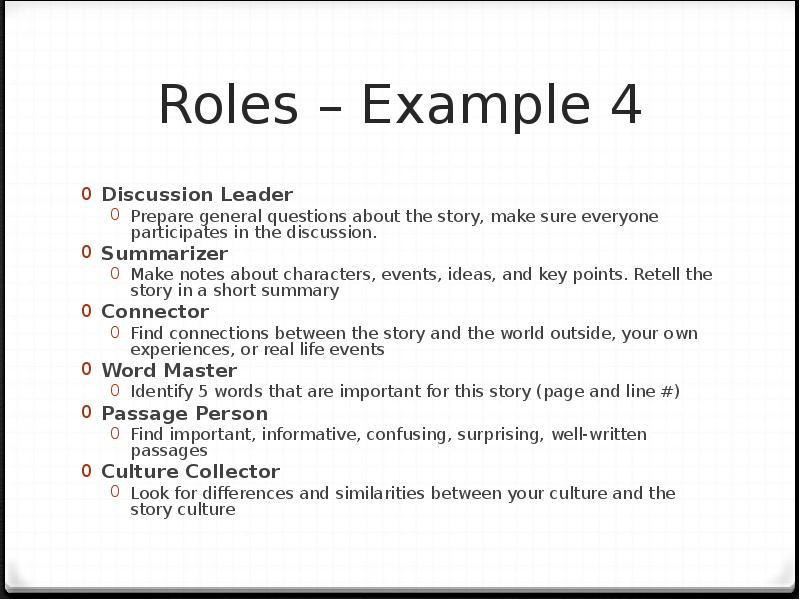
- 8. Roles – Example 4 Discussion Leader Prepare general questions about the
- 9. Why should I use reading circles? To promote team building and
- 10. Why should I use reading circles? To increase student participation in
- 11. Why should I use reading circles? So students can use a
- 12. What can go wrong? Roles can be too open and
- 13. What can go wrong? Reading circle embers come to class
- 14. Beyond reading circles Team-building activities Membership Grid Extension Activities Drawing Book
- 15. Texts Poems Short stories Articles Teacher-selected texts Student-selected texts Movies,
- 16. Reading Circle- The Story of an Hour Form groups of six.
- 17. Discussion Leader Read the story twice and prepare at least
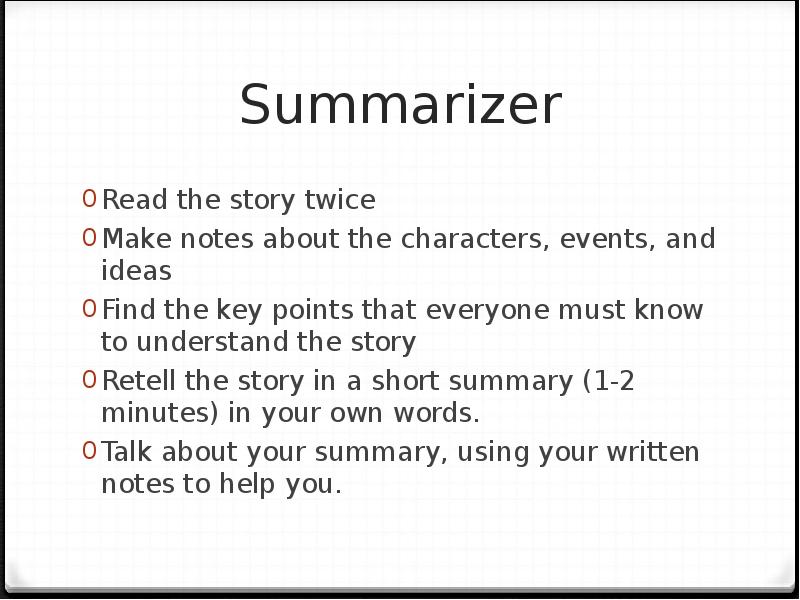
- 18. Summarizer Read the story twice Make notes about the characters, events,
- 19. Connector Read the story twice and look for connections between the
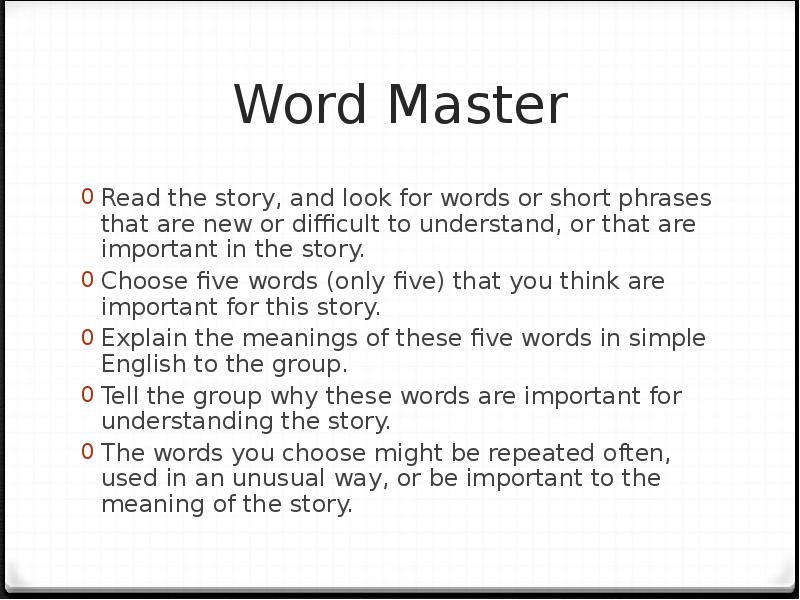
- 20. Word Master Read the story, and look for words or short
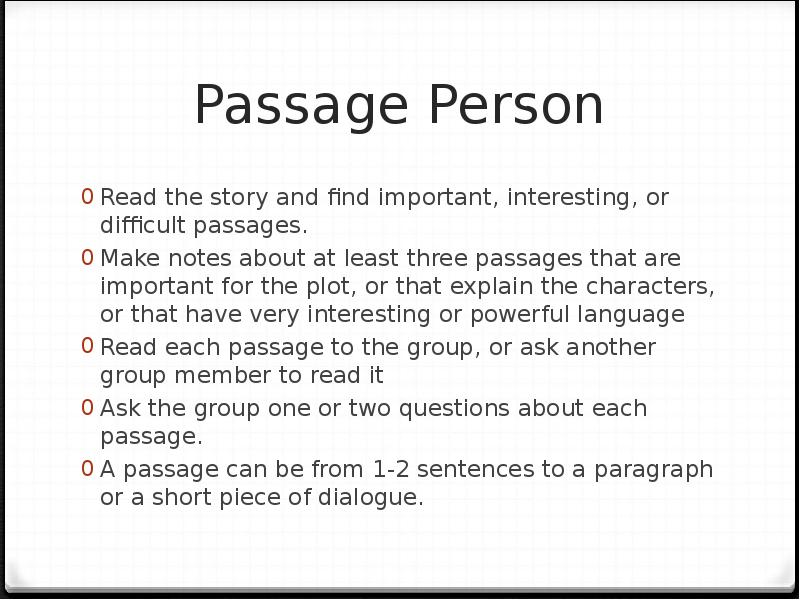
- 21. Passage Person Read the story and find important, interesting, or difficult
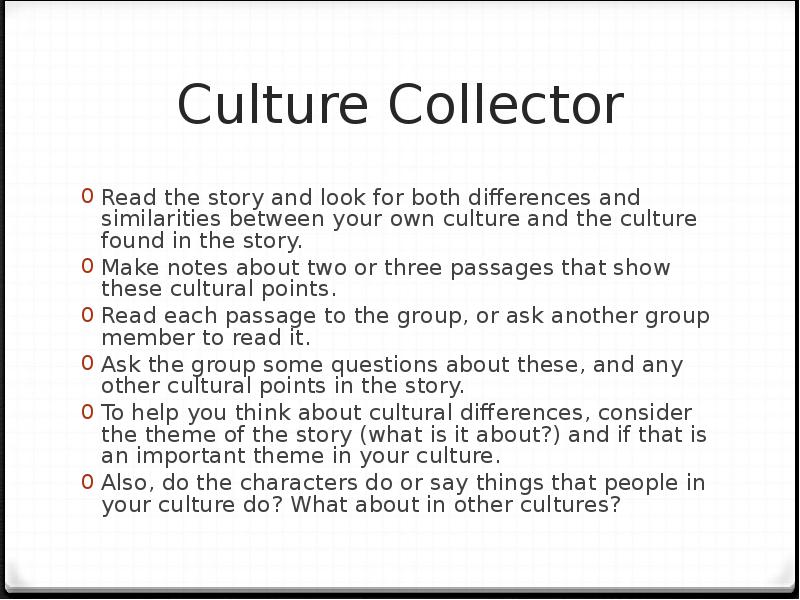
- 22. Culture Collector Read the story and look for both differences and
- 23. Directions Read the story twice. Follow the directions for your role.
- 24. Resources Chopin, Kate. The Story of an Hour. Daniels, H.
- 25. Скачать презентацию


Слайды и текст этой презентации
Слайд 1
Описание слайда:
Interactive Reading with Reading Circles
Kathy Green
English Language Fellow
Irkutsk State University
[email protected]
Слайд 2
Описание слайда:
What is a reading circle?
Background: An instructional approach for helping English language learners improve reading comprehension and overall language proficiency
Definition: A reading activity where students, in a small group, read the same text, then discuss it. Each student in that group has a different role to play in the whole group’s overall understanding of the reading.
Слайд 3
Описание слайда:
How does a reading circle work?
Each student is assigned a role.
Different readings = different roles
Students prepare for their assigned role (use a role sheet).
The teacher is the facilitator, and prepares all roles.
Make sure the roles lead toward achievement of instructional goals:
development of reading, speaking, listening, and critical thinking skills.
Слайд 4
Описание слайда:
What kinds of roles are there?
The types of roles you assign to students will depend on the type of text you want them to discuss, the students’ proficiency level, and your instructional goals.
To get an idea, let’s look at four different of student roles.
Be specific when assigning roles.
Write 5 questions about Chapter 1
Find 3 new vocabulary words that are necessary to understand the text
Слайд 5
Описание слайда:
Roles – Example 1
Discussion Director
Develop five questions about the text to share with the group
Literary Luminary
Pinpoint important parts of the text to stimulate thinking and elicit interesting facts
Illustrator
Draw pictures related to the reading and share drawings with the group
Summarizer
Recall what happened in the reading and prepare a summary
Vocabulary Enricher
Find, define, and discuss new or difficult words
Слайд 6
Описание слайда:
Roles – Example 2
The Questioner
Writes questions about an article to ask group members
Word Watcher
Finds new words, writes definitions, teaches other group members
Key Idea Person
Find key ideas from each body paragraph
Illustrator
Draw diagrams of different organizational styles in the article / organize the important information in a graph or chart
Police Officer
Make sure the other group members are doing their jobs, lead the discussion
Слайд 7
Описание слайда:
Roles – Example 3
Illuminator:
Find an important supporting detail or something you think is interesting
Connector:
Explain how this text is connected to another text, video, podcast, etc. How is it similar or different?
Secretary:
Take notes of the group discussion and report the main points to the whole class.
Слайд 8
Описание слайда:
Roles – Example 4
Discussion Leader
Prepare general questions about the story, make sure everyone participates in the discussion.
Summarizer
Make notes about characters, events, ideas, and key points. Retell the story in a short summary
Connector
Find connections between the story and the world outside, your own experiences, or real life events
Word Master
Identify 5 words that are important for this story (page and line #)
Passage Person
Find important, informative, confusing, surprising, well-written passages
Culture Collector
Look for differences and similarities between your culture and the story culture
Слайд 9
Описание слайда:
Why should I use reading circles?
To promote team building and collaborative learning
To promote critical thinking
To keep your classroom student-centered.
Because research shows that reading circles:
Develop students’ comprehension skills
Support strategies like visualizing, connecting, questioning, inferring, and analyzing
Слайд 10
Описание слайда:
Why should I use reading circles?
To increase student participation in a low-stress environment
To increase the sense of ownership and responsibility for students
To engage students in critical thinking and reflection
To provide opportunities for students to use the target language for real communication
Слайд 11
Описание слайда:
Why should I use reading circles?
So students can use a variety of strengths and skills to prepare for a lesson.
So students learn to respond critically to what they have read and support their ideas with textual details.
To provide additional scaffolding for students
To reinforce writing skills – students prepare for discussion circles by doing research and taking notes
Слайд 12
Описание слайда:
What can go wrong?
Roles can be too open and students feel like they don’t know what to do.
Narrow down the tasks to help students feel comfortable, especially in the beginning. Model what they are supposed to do by providing examples and prompts.
Low level students can’t/won’t participate.
Make a role that they can do. Make it product oriented so they have something to show for their work.
Слайд 13
Описание слайда:
What can go wrong?
Reading circle embers come to class unprepared.
Find a way for them to participate anyway.
Have them take notes, look for information in the text, ask questions, summarize the group discussion in writing
Have the rest of the group decide what should happen with students who come unprepared.
Last resort? If everyone’s getting lazy, randomly collect everyone’s notes and grade them to make sure everyone starts participating again.
Слайд 14
Описание слайда:
Beyond reading circles
Team-building activities
Membership Grid
Extension Activities
Drawing
Book Pass
Save the Last Word for Me
Texts
Types
Examples: The Story of an Hour, The Giving Tree
Слайд 15
Описание слайда:
Texts
Poems
Short stories
Articles
Teacher-selected texts
Student-selected texts
Movies, TV shows, news programs
Podcasts
Слайд 16
Описание слайда:
Reading Circle- The Story of an Hour
Form groups of six. Decide on your roles:
Discussion leader
Summarizer
Connector
Word master
Passage person
Culture collector
Review of roles
Слайд 17
Описание слайда:
Discussion Leader
Read the story twice and prepare at least five general questions about it. (characters, theme, ending, predictions)
Ask one or two questions to start the Reading Circle discussion.
Make sure everyone has a chance to speak and joins in the discussion.
Call on each member to present their prepared role information.
Guide the discussion and keep it going.
Слайд 18
Описание слайда:
Summarizer
Read the story twice
Make notes about the characters, events, and ideas
Find the key points that everyone must know to understand the story
Retell the story in a short summary (1-2 minutes) in your own words.
Talk about your summary, using your written notes to help you.
Слайд 19
Описание слайда:
Connector
Read the story twice and look for connections between the story and the world outside.
Make notes about at least two possible connections to your own experiences, or to the experiences of friends and family, or to real-life events.
Tell the group the connections and ask for their comments and questions.
Ask the group if they can think of any connections themselves.
Слайд 20
Описание слайда:
Word Master
Read the story, and look for words or short phrases that are new or difficult to understand, or that are important in the story.
Choose five words (only five) that you think are important for this story.
Explain the meanings of these five words in simple English to the group.
Tell the group why these words are important for understanding the story.
The words you choose might be repeated often, used in an unusual way, or be important to the meaning of the story.
Слайд 21
Описание слайда:
Passage Person
Read the story and find important, interesting, or difficult passages.
Make notes about at least three passages that are important for the plot, or that explain the characters, or that have very interesting or powerful language
Read each passage to the group, or ask another group member to read it
Ask the group one or two questions about each passage.
A passage can be from 1-2 sentences to a paragraph or a short piece of dialogue.
Слайд 22
Описание слайда:
Culture Collector
Read the story and look for both differences and similarities between your own culture and the culture found in the story.
Make notes about two or three passages that show these cultural points.
Read each passage to the group, or ask another group member to read it.
Ask the group some questions about these, and any other cultural points in the story.
To help you think about cultural differences, consider the theme of the story (what is it about?) and if that is an important theme in your culture.
Also, do the characters do or say things that people in your culture do? What about in other cultures?
Слайд 23
Описание слайда:
Directions
Read the story twice.
Follow the directions for your role.
Follow the guidance of your Discussion Leader and discuss The Story of an Hour.
Слайд 24
Описание слайда:
Resources
Chopin, Kate. The Story of an Hour.
Daniels, H. and Steineke, N. (2004). Mini-lessons for Literature Circles. Heinemenn, Portsmouth, NH.
Elhess, M. and Egbert, J. Literature Circles as Support for Language Development. English Teaching Forum 53 (3).
Furr, Mark. Literary Circles
Скачать презентацию на тему Interactive Reading with Reading Circles можно ниже: